Polynucleotide Skin Treatments
Advanced Polynucleotide Treatments for Skin Rejuvenation
Polynucleotide treatments are an emerging approach to skin rejuvenation, designed to improve the appearance of skin quality, texture, fine lines and elasticity without changing your natural facial contours.
At Oasis Wellbeing Clinic in Poulton-le-Fylde, we take a personalised approach to skin improvement, offering treatments for suitable adults experiencing early skin changes or more established signs of ageing.
Polynucleotides are purified DNA-derived compounds being studied for their effects on skin repair processes and tissue quality. Clinical research suggests they may help improve certain visible signs of skin ageing, although results vary and the evidence is still developing.
Our focus is on subtle, natural-looking improvements, realistic expectations and treatments selected for your individual skin concerns.
Quick Questions
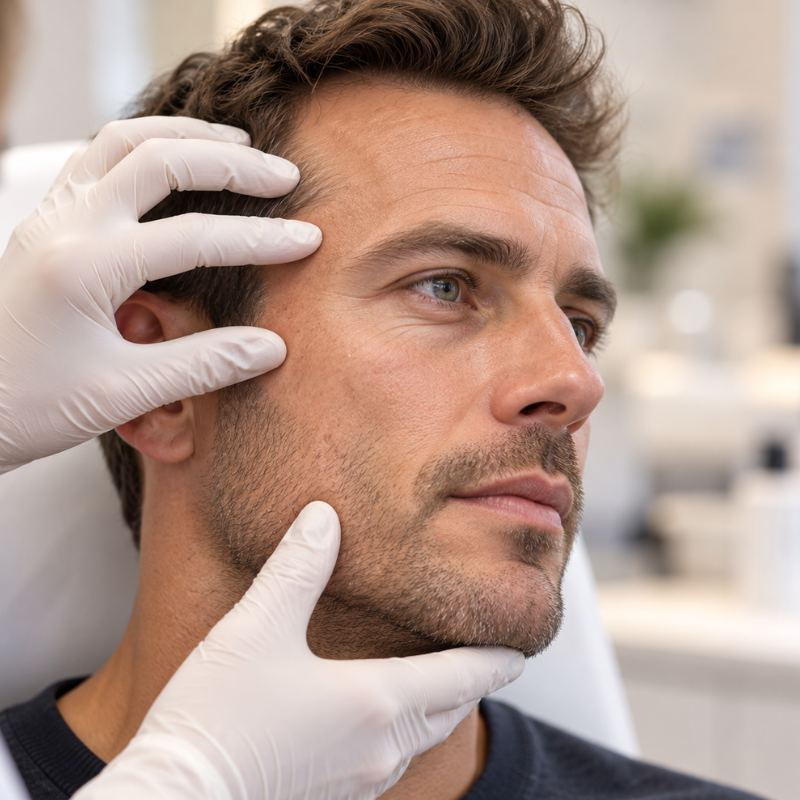
Polynucleotide Treatments
What:
An injectable skin-quality treatment using purified DNA-derived polynucleotides, with potential benefits for fine lines, texture and elasticity.
Treatment Time:
Approximately 30–45 minutes, depending on the area being treated.
Immediately After:
Temporary redness, small raised injection bumps, tenderness or swelling may occur. Bruising is also possible.
Recovery:
Many clients resume normal activities shortly afterwards. Visible injection-site reactions often settle over several days, although bruising can last longer.
Recommended Course:
A typical programme may involve 2–3 sessions approximately 2–4 weeks apart, depending on the product used and your individual treatment plan.
Results:
Improvements, where achieved, generally develop gradually over several weeks. The degree and duration of improvement vary.
Consultation:
A consultation is required to assess your skin, medical history, suitability and treatment goals.
Location:
Oasis Wellbeing Clinic, Poulton-le-Fylde, Lancashire.
What Skin Concerns Can Polynucleotides Help Improve?
Polynucleotide treatments are being investigated for their potential to improve aspects of skin quality, fine lines, texture and elasticity.
Suitability depends on the formulation, treatment area and your individual skin characteristics.
Fine Lines & Early Skin Ageing
May help soften the appearance of selected fine lines and support smoother-looking skin, particularly where early changes in texture and elasticity are becoming noticeable.
Crepey Skin & Reduced Elasticity
May improve the appearance of fine crepiness and reduced suppleness in selected areas, contributing to skin that looks smoother and more refreshed.
Dullness & Uneven Texture
May help improve certain aspects of surface texture and overall skin appearance as part of a personalised rejuvenation programme.
Delicate Under-Eye Skin
Selected polynucleotide formulations may be considered for fine lines and crepey-looking skin around the eyes.
Not every product or client is suitable for periocular treatment, and concerns such as dark circles or puffiness may have other causes.
Neck & Décolletage Skin Quality
May be considered for suitable fine lines, reduced elasticity and changes in skin texture affecting the neck and décolletage.
Results depend on the product and individual treatment plan.
Selected Scars & Skin Irregularities
Early research has explored polynucleotide treatments for certain types of scar and tissue improvement.
However, they are not a proven replacement for established scar treatments, and their suitability depends on the type and characteristics of the scar.
How Do Polynucleotide Treatments Work?
Supporting Skin Quality Through an Emerging Regenerative Approach
Polynucleotides are purified chains of DNA-derived molecules used in selected injectable skin treatments.
Researchers are investigating how these compounds interact with processes involved in tissue repair, skin hydration and the maintenance of skin structure.
Early clinical studies have reported potential improvements in fine lines, skin texture and elasticity following polynucleotide treatment.
Unlike traditional volumising fillers, the polynucleotide treatments offered for skin rejuvenation are intended to focus on skin quality rather than noticeably changing facial shape or adding volume.
Results typically develop gradually, and the degree of improvement varies between individuals.
Although the findings are promising, polynucleotide treatment is still an evolving area of aesthetic medicine, and larger studies are needed to establish its long-term benefits and optimal treatment protocols.
At Oasis, we’ll explain what the chosen formulation may realistically achieve and whether it is suitable for your individual concerns.
Polynucleotides vs Skin Boosters
Understanding the Difference
Polynucleotides and hyaluronic acid skin boosters are both used in aesthetic practice to improve aspects of skin quality, but they contain different ingredients and have different proposed mechanisms of action.
Polynucleotides
Polynucleotides are DNA-derived compounds being investigated for their potential effects on skin repair pathways, texture, fine lines and elasticity.
Skin Boosters
Skin boosters usually contain hyaluronic acid and are primarily used to improve hydration and the appearance of skin smoothness and quality.
Neither option is automatically better, and the benefits of each depend on the product, treatment area and individual skin concerns.
At Oasis Wellbeing Clinic, we’ll assess your goals and explain which approach may be more appropriate, including whether another skin rejuvenation treatment would offer a more suitable option.
Your Polynucleotide Treatment Journey
01
Your Consultation
We’ll assess your skin, review your medical history and discuss your concerns and goals. We’ll explain the chosen product, expected benefits, limitations, risks and alternatives.
02
Your Treatment
If suitable, the treatment area is prepared and the polynucleotide formulation is administered using an appropriate technique. We’ll explain the procedure and comfort measures beforehand.
03
Your Recovery
You may experience temporary injection bumps, redness, swelling, tenderness or bruising. We’ll provide personalised aftercare and explain what to do if an unexpected reaction develops.
04
Results & Maintenance
We’ll review your response over the following weeks and discuss whether further sessions are appropriate. Maintenance recommendations depend on the product used, your goals and your individual results.
FAQ's Polynucleotide Treatments
What Are Polynucleotides?
Polynucleotides are purified DNA-derived molecules used in certain injectable skin-quality treatments.
They are being studied for their potential to influence processes involved in tissue repair and skin structure.
Early research suggests possible improvements in fine lines, elasticity and texture, although the evidence is still developing.
Your consultation will include information about the specific polynucleotide product being considered and its expected benefits.
How Many Polynucleotide Treatments Will I Need?
A typical treatment programme may involve two or three appointments, often spaced approximately two to four weeks apart.
However, the recommended course depends on the product used, treatment area and individual skin concerns.
We’ll discuss the proposed programme during your consultation and review your response before recommending further treatment.
When Will I See Results from Polynucleotide Treatment?
Improvements, where achieved, usually develop gradually rather than appearing immediately.
Some clients notice changes in skin appearance over several weeks, while others may require a full treatment course before assessing the results.
The timing and degree of improvement depend on the formulation, treatment area and individual response.
We’ll explain realistic expectations before treatment.
How Long Do Polynucleotide Treatment Results Last?
The duration of any improvement varies between individuals.
Factors such as skin condition, lifestyle, treatment area and the product used may influence how long the results remain visible.
Evidence about the optimal timing and frequency of maintenance treatments is still developing.
We’ll review your progress and recommend further treatment only where appropriate.
Can Polynucleotides Improve the Under-Eye Area?
Selected polynucleotide formulations may be used to address fine lines, crepiness and changes in skin quality around the eyes.
However, dark circles, puffiness and under-eye changes can have different causes, and polynucleotides are not suitable for every concern.
The delicate periocular area requires careful assessment, appropriate product selection and consideration of the relevant risks.
We’ll explain whether this approach is suitable or whether another eye rejuvenation treatment may be more appropriate.
Are Polynucleotide Injections Painful?
Polynucleotide injections can cause temporary stinging or discomfort.
The sensation varies according to the treatment area, product and individual sensitivity.
Where appropriate, suitable comfort measures may be used during treatment.
We’ll explain what to expect and discuss any concerns before proceeding.
Is There Any Downtime After Polynucleotide Treatment?
Many clients can resume normal daily activities shortly after treatment.
However, small raised injection bumps, temporary redness, swelling, tenderness and bruising may occur.
Minor reactions commonly settle over several days, although bruising or other effects can last longer.
We’ll provide aftercare instructions and explain which symptoms should be reported to the clinic.
What Are the Risks of Polynucleotide Treatments?
Polynucleotide injections carry risks, as do other injectable skin treatments.
Possible effects include pain, redness, swelling, bruising, temporary injection bumps, irritation and allergic reactions.
Less common complications may include infection, persistent inflammation or other injection-related problems.
The specific risks depend on the product, treatment area, technique and individual medical history.
We’ll explain the relevant benefits, limitations and potential complications before obtaining informed consent.
Who Is Suitable for Polynucleotide Treatment?
Polynucleotide treatment may be considered for suitable adults seeking improvements in skin texture, fine lines or elasticity.
Treatment may be inappropriate during pregnancy or breastfeeding, where there are active skin infections, or where medical conditions, allergies or medications affect suitability.
Some formulations contain ingredients derived from fish, so relevant allergies must be discussed.
We’ll review your medical history and the specific product’s contraindications before recommending treatment.
Can Polynucleotides Be Combined with Other Skin Rejuvenation Treatments?
Depending on your concerns, polynucleotides may form part of a wider skin rejuvenation programme.
Other options at Oasis include professional skincare, skin boosters, microneedling, chemical peels and laser resurfacing.
However, these treatments are not automatically suitable to combine or perform close together.
The treatment sequence and recovery intervals must be planned carefully, taking your skin, medical history and the procedures involved into account.
We’ll recommend a personalised approach rather than combining treatments unnecessarily.
Are Polynucleotides the Same as Dermal Fillers?
No. The polynucleotide treatments discussed here are intended to improve aspects of skin quality rather than significantly add facial volume or reshape facial contours.
Traditional volumising dermal fillers are designed for different cosmetic purposes.
Polynucleotide formulations also differ from hyaluronic acid skin boosters in their composition and proposed effects.
We’ll explain which skin-quality treatments Oasis offers and how they relate to your individual goals.
Ready to Explore Polynucleotide Skin Rejuvenation?
Personalised Skin Improvement at Oasis Wellbeing Clinic
Whether you’re noticing early fine lines, changes in texture, reduced elasticity or more established signs of skin ageing, understanding your treatment options is the first step.
At Oasis Wellbeing Clinic in Poulton-le-Fylde, we’ll assess your skin, discuss your goals and explain whether polynucleotide treatment may be suitable.
We’ll also consider other skin rejuvenation approaches where they may offer a more appropriate option.
Our focus is on personalised care, subtle improvements, informed decisions and realistic expectations.
Book your Skin Rejuvenation Consultation today.
Love the skin you’re in.
Our Commitment to
Respect
At Oasis Wellbeing Clinic, we believe skin rejuvenation should be a personal choice, guided by your individual concerns rather than unrealistic expectations of how skin should look at a particular age.
We welcome clients of all genders, backgrounds and skin types, providing a discreet and inclusive environment where you can discuss your goals without judgement.
Whether you’re interested in maintaining healthy-looking skin, improving early changes or addressing more established concerns, we’ll explain your options honestly.
Every recommendation is based on your individual skin, medical history, personal preferences and treatment goals.
Our aim is to help you make informed decisions and feel comfortable and confident in your skin.