Melasma Treatment
Personalised Melasma Treatment & Pigmentation Management
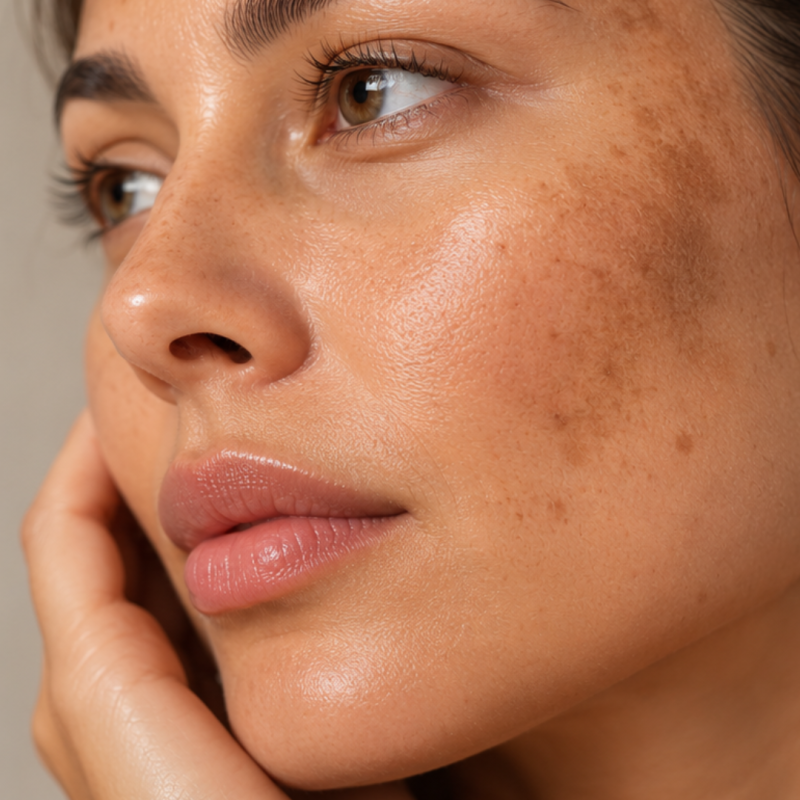
Melasma is a complex form of facial pigmentation that commonly appears as brown or grey-brown patches across the cheeks, forehead, upper lip and chin.
At Oasis Wellbeing Clinic in Poulton-le-Fylde, we understand that managing melasma requires more than simply reducing visible pigmentation. Hormonal influences, sunlight, visible light and individual skin characteristics can all contribute to its development and recurrence.
Our personalised approach combines carefully selected professional treatments, targeted skincare and long-term maintenance to help improve uneven skin tone while minimising the risk of pigmentation returning.
Depending on your skin’s individual needs, we may recommend Cosmelan, professional skincare, carefully selected chemical peels or a combination of approaches.
Every treatment journey begins with a skin consultation to assess your pigmentation and identify the most appropriate next steps.
Quick Questions
Melasma Treatments
What:
A personalised approach to melasma management, combining professional depigmentation treatments, targeted skincare and ongoing pigment control.
Consultation Time:
Approximately 45–60 minutes.
Immediately After:
This depends on your individual treatment plan. Some approaches involve little or no downtime, while others may cause temporary redness, sensitivity or peeling.
Recovery:
Varies according to the treatments selected and your skin’s individual response.
Recommended Course:
Melasma is a long-term condition that often requires ongoing management rather than a single treatment. A combination of professional treatments, consistent homecare and maintenance may be recommended.
Sun Protection:
Daily broad-spectrum SPF 50+ protection is essential. A suitable tinted sunscreen containing iron oxides may also be recommended to help protect against visible light, which can contribute to melasma.
Location:
Personalised melasma consultations are available at Oasis Wellbeing Clinic in Poulton-le-Fylde, Lancashire.
Understanding Melasma
Melasma is one of the more challenging forms of facial pigmentation to manage. Unlike individual sunspots or age spots, melasma is a complex pigmentation condition involving increased activity of the skin’s pigment-producing cells (melanocytes).
It commonly appears as symmetrical brown or grey-brown patches across the cheeks, forehead, upper lip and chin. Hormonal changes, genetics, sunlight and visible light can all contribute to its development or worsening.
At Oasis Wellbeing Clinic in Poulton-le-Fylde, we understand that managing melasma involves more than simply reducing visible pigmentation. Because melasma can return even after successful treatment, our personalised approach focuses on improving existing pigmentation, addressing contributing factors and supporting long-term skin health.
Our treatment plans combine carefully selected professional treatments, medical-grade skincare and ongoing homecare to help improve skin tone and minimise the risk of pigmentation returning.
Depending on your skin type, pigmentation and individual needs, we may recommend Cosmelan, a tailored professional skincare programme, carefully selected chemical peels or a combination of approaches.
Our aim is to achieve visible improvement while helping you understand how to care for your skin and maintain your results over time.
Melasma Treatment FAQs
What Is Melasma and What Causes It?
Melasma is a common pigmentation condition that causes brown or grey-brown patches, most frequently on the cheeks, forehead, upper lip and chin.
It develops when the skin produces excess melanin, often in response to a combination of factors.
Common contributing factors include:
- Hormonal changes, including pregnancy and menopause
- Hormonal contraception and hormone replacement therapy (HRT)
- Sun exposure and visible light
- Genetic predisposition
- Heat, which may aggravate pigmentation in some individuals
- Certain medications
Melasma can affect people of different ages and skin tones, although it is more common in some skin types.
Understanding your individual triggers is an important part of managing the condition.
Can Melasma Be Permanently Cured?
Melasma can often be significantly improved, but there is currently no permanent cure.
Even after successful treatment, pigmentation may gradually return, particularly following sun exposure, hormonal changes or other triggers.
Our approach focuses on reducing the appearance of existing pigmentation while supporting long-term skin management through professional treatments, suitable skincare and consistent sun protection.
Is Laser Treatment Suitable for Melasma?
Laser treatments can be very effective for certain types of pigmentation, including sunspots, age spots and freckles. However, melasma behaves differently.
Because melasma is a complex and often recurring condition, laser treatment can sometimes aggravate pigmentation or trigger post-inflammatory hyperpigmentation.
For this reason, laser is generally not recommended as an initial treatment for melasma. Certain laser techniques may be considered by experienced medical specialists in carefully selected cases.
At Oasis Wellbeing Clinic, we take a cautious approach and prioritise treatments appropriate for your individual pigmentation.
If your concerns relate to sun damage rather than melasma, you can learn more about our Laser Pigmentation Removal treatment.
What Is the Best Treatment for Melasma?
There is no single treatment that works best for everyone.
Successful melasma management often involves a combination of targeted skincare, appropriate professional treatments, daily sun protection and ongoing maintenance.
At Oasis, one of our principal depigmentation options is Cosmelan, a professional treatment programme designed to improve the appearance of persistent pigmentation.
Cosmelan combines an in-clinic treatment with an extended homecare programme to support gradual pigment reduction and maintenance.
Other options may include carefully selected chemical peels or professional skincare alone. Some clients may also benefit from prescription treatments provided under medical supervision.
Your skin will be assessed before we recommend the most appropriate approach.
Learn more about our Cosmelan Depigmentation Treatment.
Can Chemical Peels Help Improve Melasma?
Yes. Carefully selected professional chemical peels may help improve the appearance of superficial pigmentation and encourage skin renewal.
However, not every peel is suitable for melasma. Excessive irritation or aggressive treatments can sometimes worsen pigmentation.
At Oasis, we consider your skin type, sensitivity, pigmentation and previous treatment history before recommending a peel.
Where appropriate, chemical peels may complement professional skincare or form part of a longer-term pigmentation management plan.
Is Professional Skincare Important for Melasma?
Absolutely. A suitable homecare routine is one of the most important parts of long-term melasma management.
Professional skincare products may contain ingredients selected to help reduce the appearance of pigmentation, support the skin barrier and maintain an even-looking complexion.
We work with carefully selected professional skincare ranges and recommend products according to your individual needs.
Consistent homecare is particularly important after professional depigmentation treatments, as melasma can return when treatment and protective routines are discontinued.
Learn more about our Medical-Grade Skincare.
Why Is Sun Protection So Important for Melasma?
Ultraviolet (UV) radiation is one of the main triggers for melasma, and visible light can also contribute to pigmentation.
Daily broad-spectrum SPF 50+ is strongly recommended, even during winter and on cloudy days.
Tinted sunscreens containing iron oxides can provide additional protection against visible light, making them particularly useful for people with melasma.
Sunscreen should be applied generously and reapplied regularly when outdoors, alongside other protective measures such as seeking shade and wearing a wide-brimmed hat.
Consistent sun protection helps maintain treatment results and reduces the risk of pigmentation becoming darker again.
Can Melasma Return After Treatment?
Yes. Melasma is a long-term condition that can recur, even after significant improvement.
Hormonal changes, sunlight, visible light and other individual triggers can influence pigmentation over time.
This is why we place so much importance on maintenance.
Following your recommended skincare routine, protecting your skin from light exposure and attending follow-up appointments where appropriate can help support longer-lasting results.
How Long Does It Take to See Results?
The time needed to see improvement depends on your pigmentation, skin type, treatment plan and individual response.
Some people begin noticing changes in skin tone within several weeks, while more established or persistent melasma may require several months of consistent treatment.
Results usually develop gradually, and the degree of improvement varies between individuals.
During your consultation, we’ll explain what you can realistically expect from your recommended treatment plan.
Can Melasma Be Treated During Pregnancy?
Melasma commonly develops or becomes more noticeable during pregnancy because of hormonal changes.
However, many professional depigmentation treatments and active skincare ingredients are unsuitable during pregnancy.
If you’re pregnant or breastfeeding, we’ll discuss your circumstances and recommend a cautious approach, generally focusing on suitable skincare and consistent sun protection.
Where necessary, medical advice should be obtained before considering additional treatments.
Is Melasma Treatment Suitable for All Skin Types?
Melasma affects a wide range of skin tones, but treatment must be selected carefully.
Some skin types are more susceptible to post-inflammatory hyperpigmentation, meaning inappropriate or overly aggressive procedures can make pigmentation worse.
Your skin type, sensitivity, medical history and previous treatments will all be considered before recommending an approach.
Where specialist medical assessment is needed, we will recommend the appropriate referral rather than proceeding with an unsuitable treatment.
Do I Need a Consultation Before Melasma Treatment?
Yes. A consultation is required before beginning a professional melasma treatment programme at Oasis Wellbeing Clinic.
Not all facial pigmentation is melasma, and identifying the likely type of pigmentation is essential when selecting a safe and appropriate approach.
During your Skin Consultation and Skin Analysis, we’ll discuss your concerns, review your skincare routine and medical history, and assess the appearance and distribution of your pigmentation.
Where the diagnosis is uncertain or medical assessment is indicated, we’ll recommend seeing your GP or a dermatologist.
Once your skin has been appropriately assessed, we’ll explain the treatment options available at Oasis and develop a personalised plan based on your skin’s needs and goals.
Our Approach to Treating Melasma
At Oasis Wellbeing Clinic, we understand that managing melasma requires patience, consistency and a personalised approach.
Rather than focusing solely on reducing visible pigmentation, we aim to support your skin’s long-term health while helping you achieve a clearer, more even-looking complexion.
Depending on your individual needs, your treatment plan may include:
Cosmelan Depigmentation Treatment
Cosmelan is one of our principal professional treatments for persistent facial pigmentation.
This structured programme combines an in-clinic depigmentation treatment with an extended homecare routine, designed to improve the appearance of existing pigmentation and support ongoing maintenance.
Professional Skincare
Carefully selected professional skincare is fundamental to managing melasma.
We use suitable formulations from established professional skincare ranges to target the appearance of uneven pigmentation, support the skin barrier and complement your treatment programme.
Chemical Peels
Professional chemical peels may be recommended for certain skin types and pigmentation concerns.
When carefully selected, they can encourage skin renewal and improve the appearance of superficial pigmentation.
Sun Protection & Long-Term Maintenance
Daily broad-spectrum SPF 50+ and protection against visible light are essential parts of managing melasma.
We provide personalised homecare and maintenance advice to help you look after your skin between treatments and support your results over time.
Every treatment plan is tailored to your skin. Our priority is achieving realistic, sustainable improvements while minimising unnecessary irritation and the risk of pigmentation worsening.
Looking for Melasma Treatment in Poulton-le-Fylde?
If you’re concerned about melasma or persistent facial pigmentation, we’re here to help you understand your options.
At Oasis Wellbeing Clinic, we take a personalised approach to pigmentation management, combining professional skin assessment, carefully selected treatments and practical long-term skincare advice.
Whether you’re considering Cosmelan, chemical peels or a targeted skincare programme, we’ll help you explore the most appropriate approach for your skin.
Book your Melasma Consultation today.
Our Commitment to
Respect
At Oasis Wellbeing Clinic, we understand that visible pigmentation can affect people in different ways. Some clients feel self-conscious about changes in their skin, while others simply want to explore their treatment options.
We welcome clients of all ages, genders, backgrounds and skin tones, providing a comfortable, inclusive environment where your concerns are listened to without judgement.
Choosing to treat melasma is entirely personal. Our role is to offer honest advice, realistic expectations and treatment recommendations that respect your individual skin needs and preferences.
Our aim is to help you feel comfortable and confident in your skin, whatever you decide.