Laser Fungal Nail Treatment
Fungal Nail Treatment at Oasis Wellbeing Clinic
A non-invasive laser treatment that can help manage fungal nail infections and support the appearance of healthier-looking nails over time.
Fungal nail infections can be persistent, affecting the appearance, texture and health of fingernails and toenails. Nails may become discoloured, thickened, brittle or crumbly, sometimes causing discomfort or embarrassment.
At Oasis Wellbeing Clinic in Poulton-le-Fylde, we offer laser fungal nail treatment using the advanced Quanta THUNDER MT 1064nm Nd laser.
This non-invasive treatment delivers controlled laser energy through the nail plate, generating heat that may help target the fungus responsible for the infection.
Our personalised approach considers the condition of your nails, your treatment history and your individual needs, helping you make an informed decision about the most suitable approach.
Quick Questions
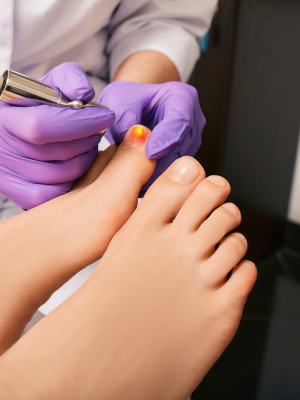
Fungal Nail Treatment
What:
A non-invasive laser treatment that targets fungal nail infections by delivering controlled laser energy through the nail plate to destroy the fungus without damaging the surrounding skin or nail.
Treatment Time:
Treatment usually takes 15–30 minutes, depending on the number of nails being treated.
Immediately After:
The treated nails may feel warm for a short time following treatment.
Recovery:
There is no downtime following treatment, allowing you to return to your normal daily activities immediately.
Recommended Course:
Most clients require a course of 6+ treatments, performed approximately 2 weeks apart. The exact number of sessions depends on the severity of the infection and individual nail growth.
Location:
Laser fungal nail treatments are performed at our welcoming clinic in Poulton-le-Fylde, Lancashire.
Understanding Fungal Nail Infections
Fungal nail infections, medically known as onychomycosis, occur when fungi infect the nail or the underlying nail bed.
Common signs include:
- Yellow, white or brown discolouration
- Thickened or distorted nails
- Brittle, crumbly or splitting nails
- A build-up of debris beneath the nail
- Separation of the nail from the nail bed
- Discomfort when wearing enclosed footwear
Not all thickened or discoloured nails are caused by fungal infections. Nail trauma, psoriasis and other nail conditions can produce similar changes.
Confirming the presence of a fungal infection through appropriate testing is recommended before beginning treatment.
A Targeted Approach to Fungal Nail Treatment
At Oasis Wellbeing Clinic, we use the advanced Quanta THUNDER MT 1064nm Nd laser to provide a non-invasive approach to fungal nail treatment.
The laser delivers controlled heat through the nail plate, which may help target the underlying fungal infection. Treatment is quick, requires little to no downtime, and may help improve the appearance of affected nails as healthier-looking nail gradually grows through.
Preparing for Your Laser Fungal Nail Treatment
To help prepare for your appointment, we recommend:
- Arriving with clean, dry nails.
- Removing nail varnish, gel polish or artificial nails before treatment.
- Keeping nails neatly trimmed without damaging the surrounding skin.
- Following any antifungal treatment instructions provided by your healthcare professional.
- Bringing a clean pair of socks if your toenails are being treated.
- Informing us about any relevant medical conditions, medications or changes to your nail health.
We will provide any additional preparation instructions specific to your treatment during your consultation.
Aftercare and Preventing Reinfection
Good nail and foot hygiene is an important part of managing fungal nail infections and helping reduce the risk of reinfection.
Following treatment, we recommend:
- Keeping feet and nails clean and dry.
- Changing socks regularly and allowing footwear to dry thoroughly.
- Avoiding sharing nail tools, footwear and towels.
- Wearing suitable footwear in communal showers and changing rooms.
- Cleaning or replacing potentially contaminated footwear.
- Continuing any prescribed antifungal treatment as directed.
- Seeking appropriate treatment for athlete’s foot or other fungal skin infections.
You can normally return to your usual daily activities following treatment, although temporary warmth or sensitivity may occur.
We will provide personalised aftercare advice to support your treatment plan.
What to Expect From Laser Fungal Nail Treatment
01
Consultation and Nail Assessment
Before treatment, we discuss your nail concerns, medical history and any previous treatments. We assess your suitability for laser treatment and may recommend fungal testing or medical advice where appropriate.
02
Your Laser Treatment
During the procedure, the laser handpiece is passed over the affected nail, delivering controlled energy through the nail plate.
You may experience a warming or briefly hot sensation during treatment. Sensitivity varies between individuals.
Appointments generally take around 15–30 minutes, depending on the number of nails being treated.
03
Your Treatment Course
At Oasis Wellbeing Clinic, treatment courses are generally planned at approximately two-week intervals.
A course may involve around 6–12 sessions, depending on your individual treatment plan.
We will explain the proposed treatment schedule during your consultation and review your progress as appropriate.
04
Results and Nail Growth
Improvements in nail appearance take time because the affected nail must gradually grow out.
Toenails typically take around 9–18 months to grow fully, while fingernails generally grow more quickly.
The rate and extent of improvement vary, and results cannot be guaranteed.
FAQ's Fungal Nail Treatment
How does the treatment work?
Laser fungal nail treatment uses controlled laser energy to heat the affected nail and underlying nail bed.
At Oasis Wellbeing Clinic, we use the advanced Quanta THUNDER MT 1064nm Nd:yag laser. The laser energy passes through the nail plate, generating heat that may help target the fungus responsible for the infection.
The treatment is non-invasive and does not require removal of the nail.
How many treatments do I need?
Our clinic treatment protocol generally involves approximately 6–12 sessions, spaced around two weeks apart.
The recommended number of treatments will depend on the condition of your nails and your individual circumstances.
Does the treatment hurt?
During treatment, you may experience a warming or briefly hot sensation beneath the nail.
Sensitivity varies between individuals, but treatment is completed without anaesthetic.
What is the cost of the treatment?
From £10 per nail, per session.
The total cost of treatment depends on the number of affected nails and the number of sessions undertaken.
During your consultation, we will discuss a personalised treatment plan and provide clear information about the anticipated treatment costs.
Is there any downtime?
Most people can return to their normal daily activities immediately following laser fungal nail treatment.
Temporary warmth or sensitivity may occur, and we will provide appropriate aftercare advice.
How long does it take to see results?
Any visible improvement usually takes time because the affected nail must gradually grow out.
Toenails may take approximately 9–18 months to grow fully, while fingernails usually grow more quickly.
The rate of improvement depends on nail growth and how successfully the underlying infection is managed.
Can fingernail and toenails be treated?
Yes, both fingernails and toenails can be assessed for laser treatment.
Suitability will depend on the condition of the affected nails, your medical history and the findings of your consultation.
Do I need a fungal nail diagnosis before treatment?
We recommend confirming that a fungal infection is present before beginning treatment.
Other conditions, including nail trauma and psoriasis, can cause similar changes in nail appearance.
Your GP or another appropriate healthcare professional may recommend nail testing to confirm the diagnosis.
Can I wear nail varnish during my treatment course?
Nail varnish, gel polish and artificial nail products must be removed completely before each laser treatment appointment.
This allows the laser energy to be delivered directly through the natural nail plate.
Can fungal nail infections return after treatment?
Yes, fungal nail infections can return, even following successful treatment.
Maintaining good foot hygiene, keeping footwear dry and following appropriate antifungal care can help reduce the risk of reinfection.
Who may not be suitable for treatment?
Suitability for laser fungal nail treatment depends on your general health, medical history, medications and the condition of your nails.
Please tell us if you have diabetes, impaired circulation, reduced sensation, an impaired immune system, are pregnant or breastfeeding, or have an active wound or infection around the treatment area.
We will assess your suitability and advise whether additional medical guidance is required.
Can laser treatment be combined with antifungal medication?
Laser treatment may be considered alongside appropriate antifungal care.
Your GP or pharmacist can advise on suitable antifungal treatments, including topical or oral medication where appropriate.
We will discuss your current treatment routine during your consultation.
Take the Next Step Towards Healthier-Looking Nails
If you are concerned about thickened, discoloured or damaged nails, a consultation can help you understand your treatment options.
At Oasis Wellbeing Clinic in Poulton-le-Fylde, we provide personalised assessments and professional advice to help you make an informed decision about your nail care.
Book your consultation to find out whether laser fungal nail treatment may be suitable for you.
Our Commitment to
Respect
At Oasis Wellbeing Clinic, every client is treated with dignity, respect and complete privacy. We are committed to providing a welcoming, inclusive environment where you can feel comfortable and confident throughout your treatment journey.
We understand that fungal nail infections can affect your confidence and may be something you feel self-conscious about. Whether you are concerned about one nail or several, you can expect a discreet, professional and non-judgemental approach, with treatment advice tailored to your individual needs.