Advanced Electrolysis Blemish Removal
Benign Blemish Removal with Advanced Electrolysis
Safely remove a range of common benign skin blemishes with advanced electrolysis treatment. Using precise heat energy, electrolysis treats unwanted skin imperfections with minimal damage to the surrounding tissue, allowing the skin to heal naturally.
Quick Questions
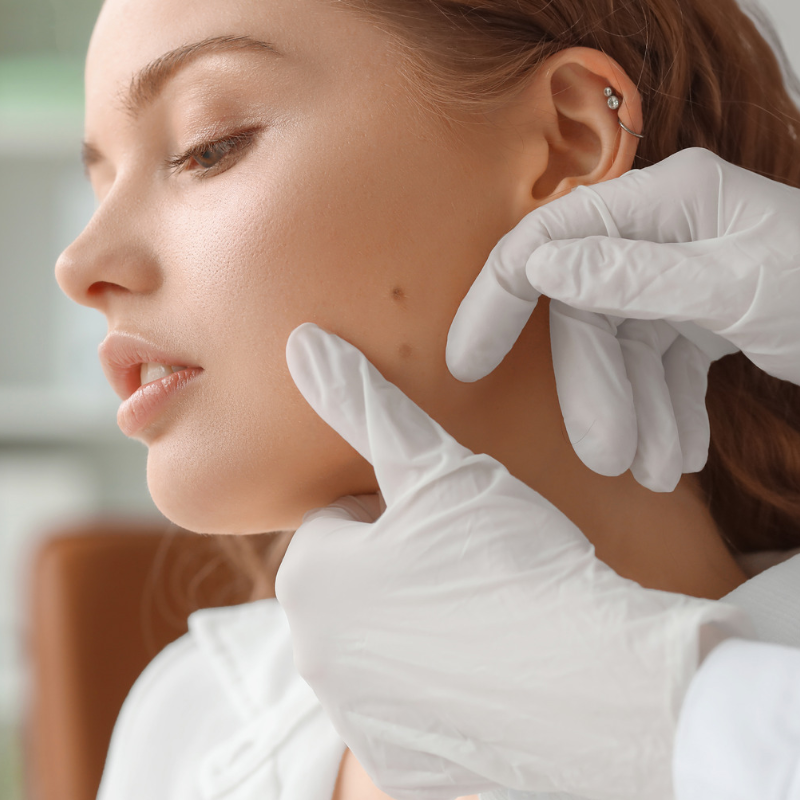
Advanced Electrolysis Blemish Removal
What:
A precise electrolysis treatment that uses controlled heat energy to cauterise and remove benign skin blemishes while preserving the surrounding healthy skin.
Treatment Time:
Most treatments take between 10–30 minutes, depending on the size, number and type of blemishes being treated.
Immediately After:
The treated area may appear red, slightly swollen and sensitive. Small crusts commonly form as part of the normal healing process.
Recovery:
Most blemishes heal within 7–14 days, although larger lesions may take longer. Mild redness may persist for several weeks.
Recommended Course:
Many blemishes can be successfully treated in a single session. Larger or deeper lesions may require 2–4 treatments to achieve the desired result safely.
Location:
Electrolysis blemish removal treatments are performed at our welcoming clinic in Poulton-le-Fylde, Lancashire.
Lesions We Treat
At Oasis Wellbeing Clinic in Poulton-le-Fylde, we offer advanced electrolysis and specialist blemish removal treatments for a variety of common benign skin imperfections, including:
- Skin Tags
- Seborrhoeic Keratoses
- Milia
- Sebaceous Hyperplasia
- Cherry Angiomas (Blood Spots)
- Spider Naevi & Small Thread Veins
- Benign Pigmented Blemishes
- Xanthelasma
Selected raised moles may also be suitable for cosmetic reduction following appropriate dermatological assessment.
Every blemish is individually assessed to determine the most appropriate treatment method.
Professional Skin Assessment & Your Safety
At Oasis Wellbeing Clinic, your safety is always our priority. While many skin blemishes are harmless, some may require medical or dermatological assessment before cosmetic treatment can be carried out.
Where additional assessment is needed, we offer this in clinic, allowing lesions to be reviewed by qualified dermatologists. Alternatively, we can accept a suitable letter from your GP confirming the lesion has been assessed and is appropriate for cosmetic removal, subject to our treatment and insurance requirements.
Every blemish is assessed individually, and treatment will only proceed when we are satisfied it is safe and appropriate.
Advanced Electrolysis Blemish Removal FAQs
What Can Electrolysis Treat?
Electrolysis can safely remove many common benign skin blemishes, including:
Skin Tags
Soft, harmless growths that commonly develop on the neck, underarms, eyelids and areas of friction.
Cherry Angiomas (Blood Spots)
Small bright red vascular spots that commonly develop with age.
Milia
Small white keratin-filled cysts commonly found around the eyes and cheeks.
Sebaceous Hyperplasia
Enlarged oil glands that appear as small yellow or flesh-coloured bumps, often on the forehead or cheeks.
Seborrhoeic Keratoses
Benign raised skin growths that often appear with age and vary in colour from light brown to black.
Thread Veins (Telangiectasia)
Very small superficial facial thread veins may be suitable for electrolysis treatment where appropriate.
Spider Naevi (Spider Angiomas)
Small central red blood vessels with tiny branches radiating outwards.
Benign Pigmented Blemishes
Selected benign pigmented lesions may also be suitable following assessment.
How does the treatment work?
Electrolysis uses a very fine probe to deliver controlled heat energy to the surface of the blemish, destroying and cauterising the unwanted lesion. The treated tissue naturally dries, forms a small crust and gradually sheds as the skin heals.
What is the cost of the treatment?
Treatment costs depend on the size, type and number of blemishes being treated. Starting at £75. For our full price list, please visit our Pricing page here.
How many treatments will I need?
Many blemishes can be removed in a single treatment. Larger, thicker or more stubborn lesions may require additional sessions to achieve the best cosmetic outcome without over-treating the skin.
When will I see results?
The treated area usually forms a small crust over the first few days. As this naturally falls away over 1–2 weeks, healthier skin is revealed beneath. Some residual redness may take several weeks to fully settle.
Does electrolysis blemish removal hurt?
Most clients describe the sensation as a brief stinging or hot feeling. The level of discomfort varies depending on the area being treated but is generally well tolerated.
Do I need a consultation?
Yes. A consultation is required before treatment to assess the blemish and determine whether cosmetic removal is appropriate.
Some skin lesions may require additional medical or dermatological assessment before treatment. Where necessary, this can be arranged through our Spotcheck or Map My Mole services at Oasis Wellbeing Clinic.
Alternatively, suitable documentation from your GP or dermatologist may be accepted, subject to treatment and insurance requirements.
Your safety is our priority, and treatment will only proceed where appropriate.
How should I prepare for my appointment?
To achieve the safest and best possible results:
- Wait at least 6 months after completing Roaccutane (Isotretinoin) treatment before undergoing electrolysis.
- Wear SPF 50 daily for at least one month before treatment if the area is exposed to sunlight.
- Avoid retinol, vitamin A products, AHAs, BHAs and other active skincare products on the treatment area for one week before treatment.
- If you suffer from cold sores, antiviral medication may be recommended before treatment.
- Arrive with clean skin free from makeup, fake tan and skincare products.
What happens after treatment?
The treated area should be cared for gently while it heals.
- Do not pick any crusts that form.
- Keep the area clean and avoid touching it with unwashed hands.
- Avoid rubbing or scratching the skin.
- Avoid perfumes, alcohol-based skincare, exfoliating acids and retinol until the skin has fully healed.
- Avoid makeup on the treated area for 48 hours.
- Avoid swimming, hot tubs, saunas and steam rooms for 48 hours.
- Avoid strenuous exercise until any crusts have naturally fallen away.
- Avoid self-tanning products until healing is complete.
- Wear SPF 50 daily for at least 12 weeks to minimise the risk of pigmentation changes.
Are there any risks?
Although uncommon, possible risks include:
- Temporary hyperpigmentation or hypopigmentation
- Infection
- Mild pitting
- Scarring (rare)
Following your aftercare instructions carefully significantly reduces these risks.
Who is not suitable for treatment?
Treatment may not be suitable if you:
- Are pregnant (depending on the treatment area)
- Have an active skin infection
- Have suspicious or undiagnosed skin lesions
- Have recently taken Roaccutane (within six months)
- Have certain medical conditions affecting healing
Your medical history will be discussed during your consultation.
Will the blemish come back?
Once a benign lesion has been successfully removed, it is unlikely to return. However, some people naturally develop new blemishes over time due to ageing, genetics or sun exposure, which can be treated if required.
Why do some blemishes require more than one treatment?
Our priority is achieving the best cosmetic outcome while protecting the surrounding skin. Treating larger or deeper blemishes too aggressively can increase the risk of scarring or pigmentation changes. In these cases, multiple treatments allow the lesion to be reduced gradually and safely, producing the best possible result.
Ready to Remove Your Skin Blemishes?
If you have a skin tag, cherry angioma, milia or another benign skin blemish you’d like removed, book a consultation today. We’ll assess your skin, confirm that your lesion is suitable for treatment and create a personalised treatment plan to help you achieve clearer, healthier-looking skin.
Our Commitment to
Respect
At Oasis Wellbeing Clinic, we understand that skin blemishes can affect confidence and wellbeing. Every treatment is approached with care, discretion and sensitivity. Whether you’re concerned about a single blemish or several skin imperfections, we’ll create a personalised treatment plan tailored to your individual needs.