IPL Photorejuvenation
A Personalised Approach to Skin Rejuvenation
Discover a more even, radiant-looking complexion with IPL Photorejuvenation at Oasis Wellbeing Clinic in Poulton-le-Fylde.
Intense Pulsed Light (IPL) uses carefully controlled pulses of broad-spectrum light to target selected pigmentation and superficial blood vessels within the skin. This can help improve the appearance of sun spots, diffuse redness and uneven skin tone.
Unlike treatments focused on a single pigmented lesion or individual thread vein, IPL Photorejuvenation can address several suitable concerns across a wider treatment area, helping create a more balanced, refreshed-looking complexion.
Whether you’re noticing the effects of sun exposure, changes in skin tone or persistent superficial redness, we’ll assess your skin and recommend a personalised approach.
Our aim is to achieve natural-looking improvements while prioritising your skin’s health, comfort and long-term care.
Quick Questions
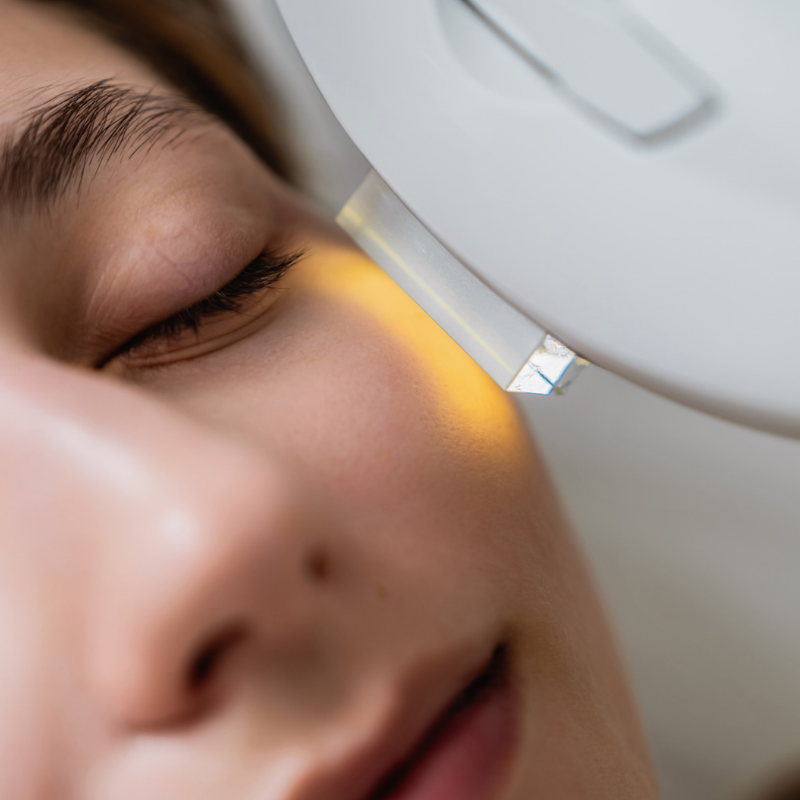
IPL Photorejuvenation Treatment
What:
A non-surgical light-based skin treatment designed to improve the appearance of sun-related pigmentation, superficial redness and uneven skin tone for a clearer, more refreshed complexion.
Treatment Time:
Approximately 20–45 minutes, depending on the size and location of the treatment area.
Immediately After:
Temporary warmth, redness and mild swelling may occur. Pigmented areas can darken before gradually fading or flaking away.
Recovery:
Minimal downtime for many clients. Redness often settles within a few hours to a few days, although treated pigmentation may take approximately 1–2 weeks to fade or flake.
Recommended Course:
Typically 3–6 treatments, usually spaced approximately 3–6 weeks apart, depending on your skin concerns and response.
Treatment Method:
Professional Intense Pulsed Light (IPL), using appropriate settings and filters selected for your individual skin concerns.
Cost:
Full Face: £100
Hands: £100
Décolletage: £175
Consultation & Patch Test:
A consultation and appropriate IPL test patch are required at least 24 hours before your first treatment.
Location:
Oasis Wellbeing Clinic, Poulton-le-Fylde, Lancashire.
What Can IPL Photorejuvenation Help With?
IPL Photorejuvenation is designed to improve several visible signs of sun damage and uneven complexion, particularly when superficial pigmentation and redness occur together.
By selecting appropriate treatment settings, we can address different skin characteristics within a personalised rejuvenation programme.
Not every skin concern is suitable for IPL, and some pigmentation or vascular conditions may require a different treatment approach.
Sun Spots & Freckles
Reduce the appearance of suitable benign sun spots, freckles and superficial sun-related pigmentation for a more even-looking complexion.
Diffuse Facial Redness
Improve the appearance of selected areas of persistent superficial redness, including some redness associated with rosacea.
Broken Capillaries
Reduce the visibility of suitable small, superficial blood vessels that contribute to facial redness and uneven skin tone.
Blotchy & Uneven Skin Tone
Help improve a patchy-looking complexion caused by suitable superficial pigmentation and vascular changes.
Hands, Neck & Décolletage Sun Damage
Target selected sun-related pigmentation and superficial redness affecting the hands, neck, chest and décolletage, where treatment is appropriate.
Early Fine Lines & Skin Texture
IPL may provide modest improvements in fine lines and overall skin texture as part of a course of non-ablative skin rejuvenation treatments.
IPL Photorejuvenation or Targeted Laser Treatment?
Different skin concerns benefit from different approaches. While IPL Photorejuvenation is designed to improve several aspects of the complexion, targeted laser and IPL treatments may be more appropriate for individual pigmentation or vascular concerns.
IPL Photorejuvenation
IPL Photorejuvenation is particularly useful when several concerns are present across a wider area of the skin.
Using carefully selected light settings, treatment can address suitable superficial pigmentation, diffuse redness and uneven skin tone within a personalised skin rejuvenation programme.
Particularly useful for: Overall complexion improvement, sun damage, superficial redness and uneven skin tone.

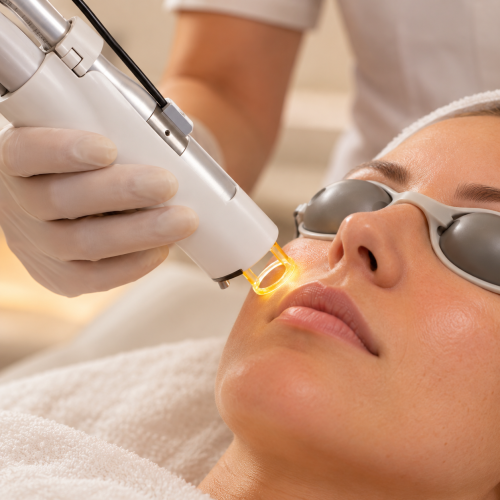
Targeted Laser & IPL Treatments
When your main concern is an individual pigmented lesion, a particular thread vein or an isolated area of redness, a more targeted treatment may be appropriate.
At Oasis Wellbeing Clinic, we offer dedicated Laser & IPL Pigmentation Removal and Laser & IPL Thread Vein treatments, with the method selected according to your individual skin concerns.
Particularly useful for: Individual sun spots, selected benign pigmented lesions, thread veins and localised vascular concerns.
IPL Photorejuvenation Treatment Results
Explore examples of improvements following professional IPL treatments at Oasis Wellbeing Clinic.
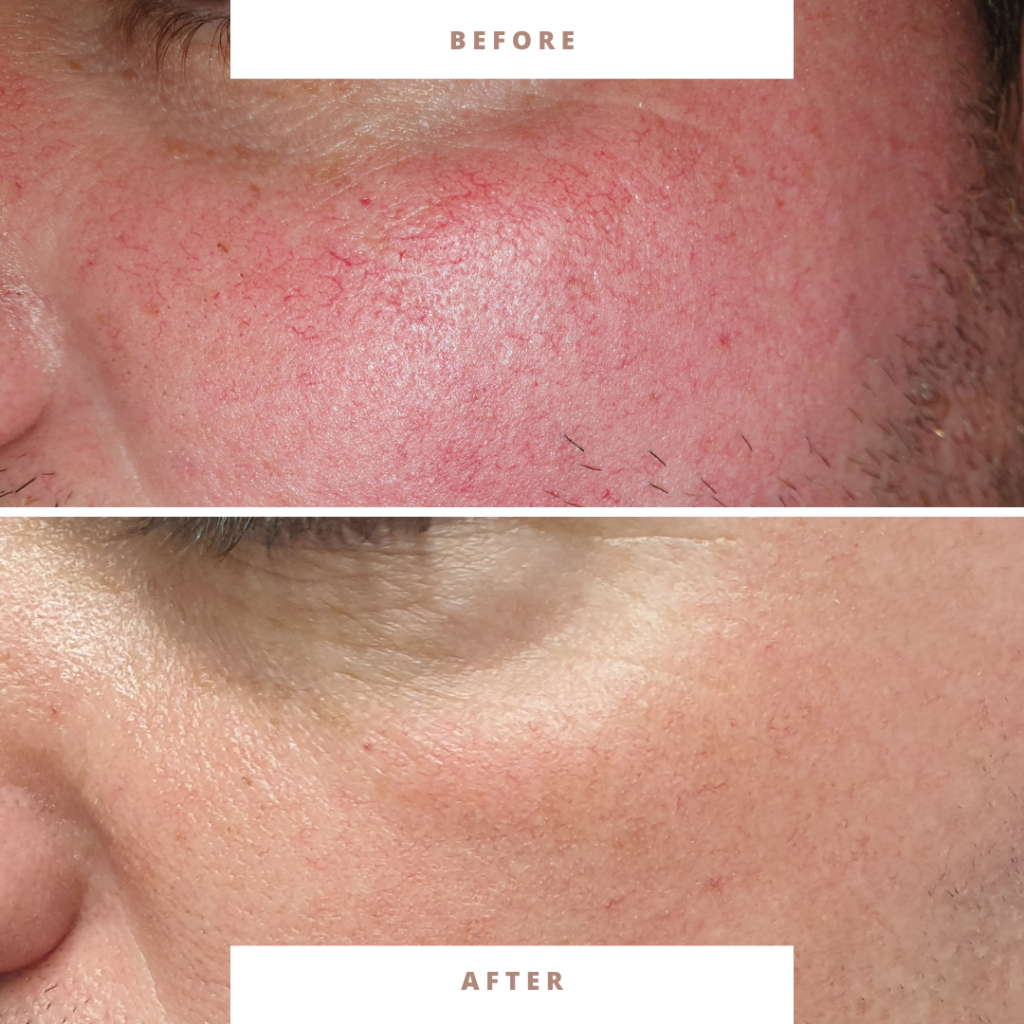
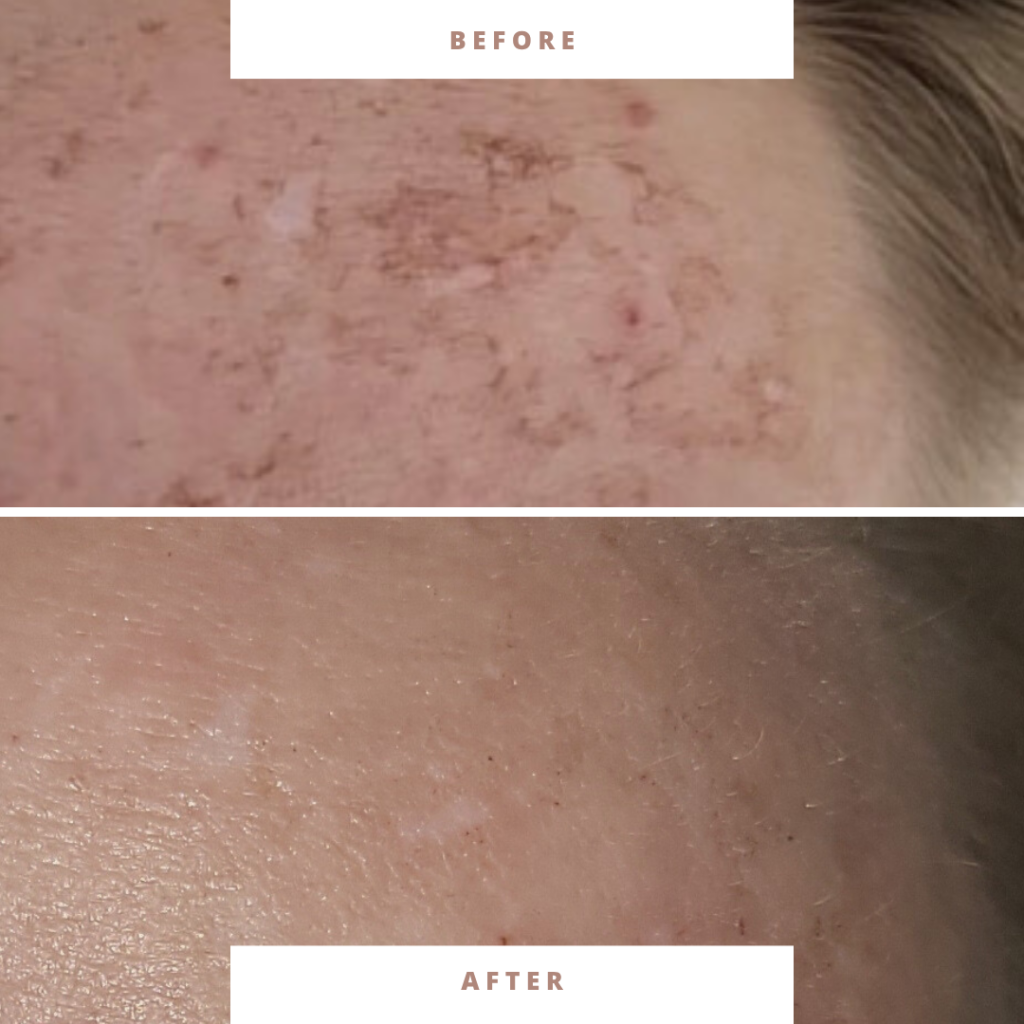
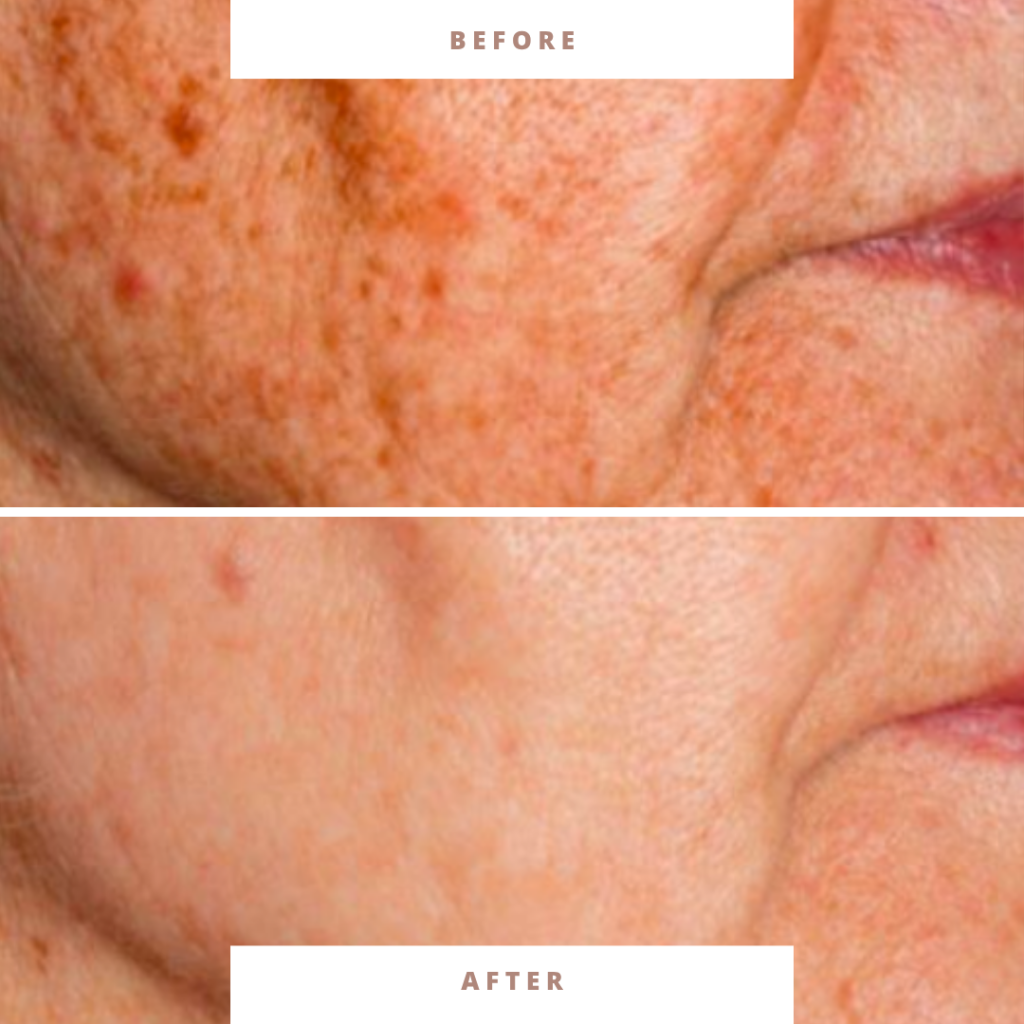
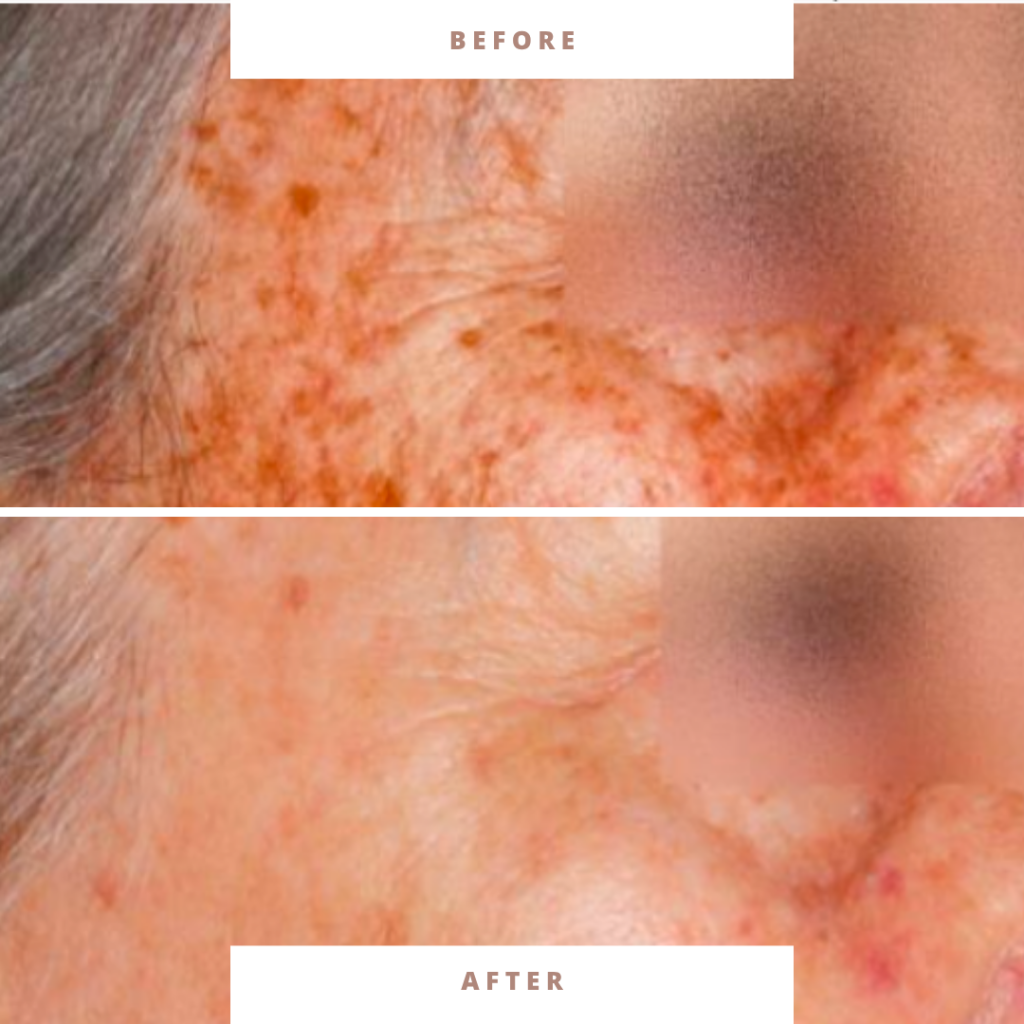
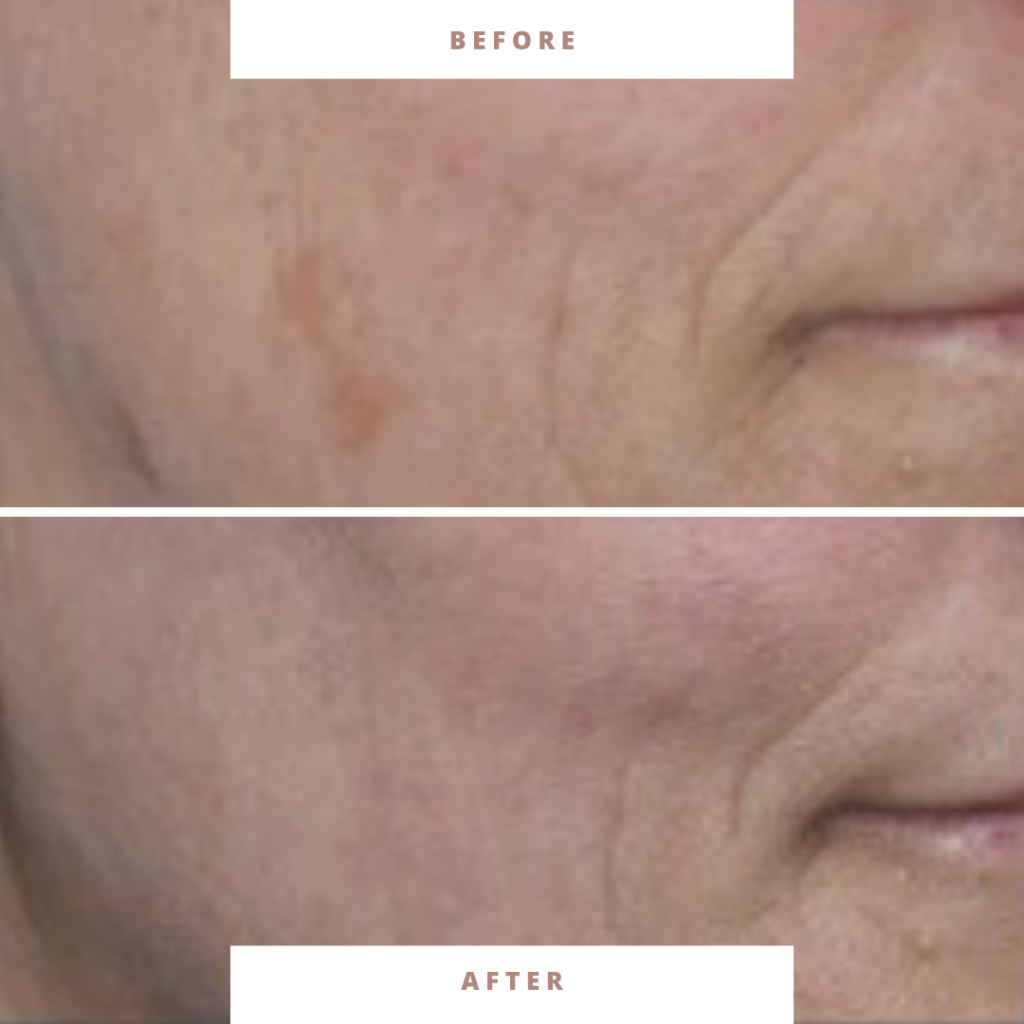
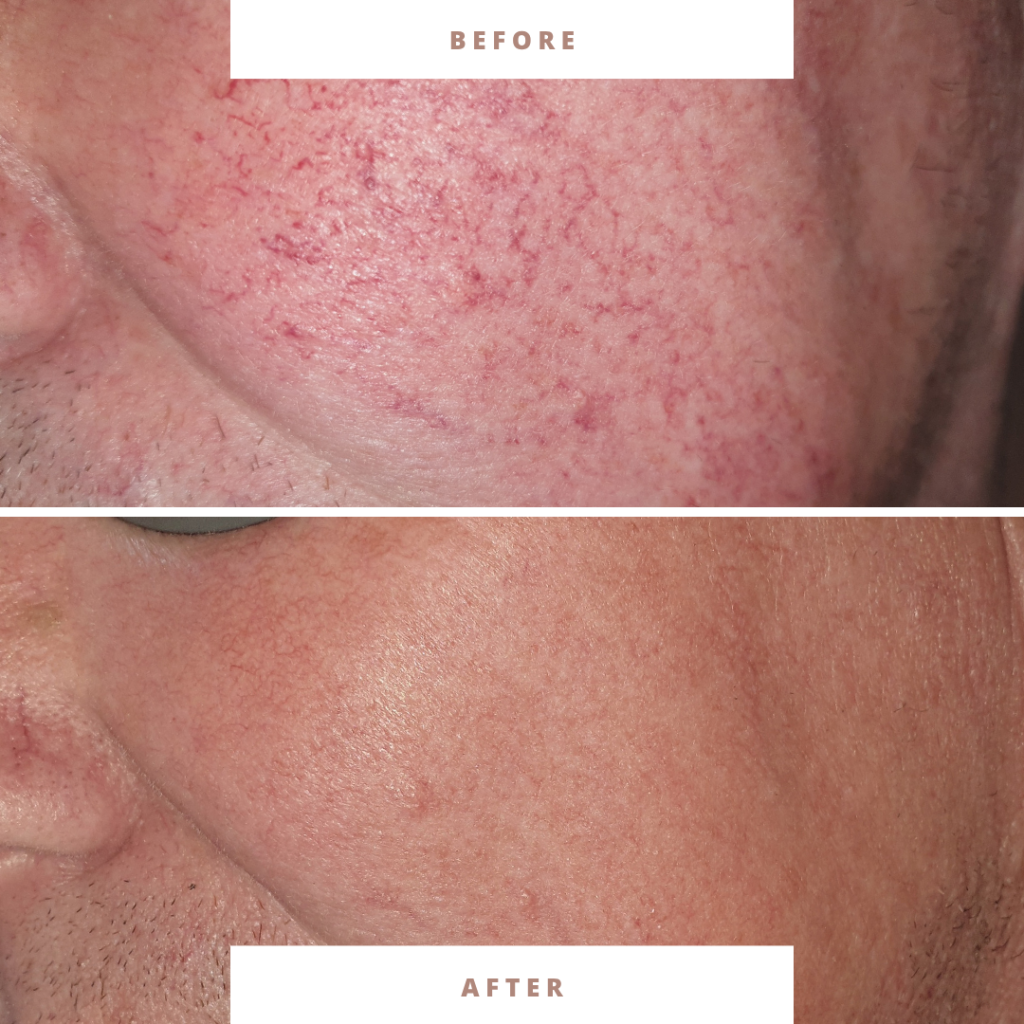
Results vary depending on individual factors and the treatment course.
What Happens During IPL Photorejuvenation?
From your initial skin consultation to the gradual development of results, every stage of your IPL Photorejuvenation treatment is planned around your individual concerns.
Here’s what to expect during your treatment journey at Oasis Wellbeing Clinic.
01
Your Consultation & Patch Test
We’ll assess your skin, discuss your concerns and review your medical history to establish whether IPL Photorejuvenation is suitable.
A test patch is performed before treatment, allowing us to assess your skin’s response and help determine appropriate settings.
02
Your IPL Treatment
Your skin is cleansed and prepared, with appropriate eye protection provided.
Controlled pulses of broad-spectrum light are delivered using settings selected for your skin type and concerns.
You may feel a brief warming or snapping sensation as the light is applied.
03
Immediately Afterwards
Your skin may feel warm and appear slightly red or swollen following treatment.
Pigmented areas may temporarily darken before gradually fading or flaking during recovery.
We’ll provide personalised aftercare instructions, including skincare and sun protection advice.
04
Your Results & Treatment Plan
Improvements in skin tone, pigmentation and redness generally develop gradually throughout your treatment course.
We’ll review your skin’s response, discuss your progress and recommend any further sessions or maintenance treatments that may be beneficial.
Understanding IPL Photorejuvenation
IPL Photorejuvenation is a versatile light-based treatment that can improve several visible skin concerns without the more extensive recovery associated with ablative resurfacing procedures.
Understanding how it works, who may be suitable and what results to expect can help you make an informed decision about your skin.
How Does IPL Photorejuvenation Work?
IPL delivers controlled pulses of broad-spectrum light to the skin, with selected wavelengths absorbed by pigments such as melanin and haemoglobin.
The light is converted into heat, creating a targeted response within suitable pigmented areas and superficial blood vessels.
By improving the appearance of these features, IPL can help create a clearer, more even-looking complexion without removing the skin’s surface.
Who Is IPL Photorejuvenation Suitable For?
IPL may be suitable for clients concerned about superficial sun damage, uneven skin tone, freckles, diffuse redness and selected visible capillaries.
However, not all skin tones or pigmentation conditions are suitable for IPL, and darker or recently tanned skin may be at increased risk of unwanted pigmentation changes.
A consultation and test patch are essential to assess suitability and establish the most appropriate treatment approach.
What Results Can I Expect?
Improvements in superficial pigmentation and redness may become noticeable as the skin recovers, with results often developing progressively throughout a treatment course.
Approximately 3–6 sessions, commonly spaced 3–6 weeks apart, may be recommended depending on your concerns and individual response.
Results vary, and occasional maintenance treatments may be helpful as skin changes continue over time.
How Should I Prepare?
Avoid sunbeds, tanning and artificial tanning products before treatment, following the preparation advice provided during consultation.
Certain active skincare ingredients and recent skin treatments may need to be temporarily avoided.
Please inform us of any medications, skin conditions, light sensitivity or previous pigmentation problems.
Arrive with clean skin, free from makeup and other products on the treatment area.
What Happens After Treatment?
Temporary redness, warmth and mild swelling are common following IPL Photorejuvenation.
Treated pigmentation may appear darker before gradually fading or flaking. These changes can take several days or longer to settle.
Avoid excessive heat, vigorous exercise and irritating skincare products for the advised period, and protect your skin from sun exposure.
We’ll provide personalised aftercare instructions to support comfortable recovery.
Are There Any Risks?
IPL Photorejuvenation is generally well tolerated when appropriate equipment, settings and treatment protocols are used.
Temporary redness, swelling and sensitivity are common. Less frequently, burns, blistering, crusting, pigmentation changes, infection or scarring can occur.
Not every skin type or concern is suitable for treatment, and specialist assessment may be needed for certain skin lesions.
A thorough consultation, test patch and careful aftercare help minimise these risks.
IPL Photorejuvenation Treatment FAQs
Does IPL Photorejuvenation hurt?
Most clients find IPL Photorejuvenation manageable.
The sensation is often described as a brief warm snap or the flick of an elastic band against the skin.
Sensitivity varies depending on the treatment area, selected settings and individual pain tolerance.
Appropriate cooling may be used where suitable to help improve comfort during treatment.
Can IPL Photorejuvenation help with rosacea?
IPL can help improve persistent facial redness and visible superficial blood vessels associated with some forms of rosacea.
By targeting haemoglobin within suitable superficial vessels, IPL may reduce the appearance of redness and help create a more even-looking complexion.
However, IPL does not cure rosacea or address every symptom associated with the condition.
Suitability depends on your skin’s sensitivity, the type of rosacea and whether the condition is currently well controlled. Some clients may experience a temporary flare following treatment.
We’ll assess your skin and recommend the most appropriate approach.
Is IPL Photorejuvenation suitable for all skin tones?
IPL Photorejuvenation is not suitable for every skin tone or pigmentation history.
Because IPL energy can be absorbed by melanin, darker skin tones and recently tanned skin may carry an increased risk of burns or unwanted pigmentation changes.
During your consultation, we’ll assess your skin type, medical history and previous reactions to treatment.
Where IPL is unsuitable, we’ll discuss alternative skin rejuvenation treatments that may be more appropriate for your individual skin.
Can IPL Photorejuvenation treat melasma?
Melasma is a complex pigmentation condition influenced by factors including hormones, genetics and sun exposure.
Although light-based treatments may be considered in certain specialist circumstances, IPL can sometimes aggravate melasma and cause further pigmentation changes.
At Oasis Wellbeing Clinic, we offer dedicated pigmentation management options, including professional skincare, chemical peels and Cosmelan Depigmentation.
We’ll assess your skin and recommend the most appropriate approach rather than routinely treating melasma with IPL.
Will the improvements last?
IPL Photorejuvenation can provide long-lasting improvements in the appearance of suitable superficial pigmentation and redness.
However, treatment does not prevent new skin changes from developing.
Sun exposure, ageing, hormonal influences and individual skin characteristics can affect your complexion over time.
A consistent skincare routine, daily sun protection and occasional maintenance treatments may help preserve your results.
Can I have IPL Photorejuvenation during summer?
IPL Photorejuvenation can sometimes be performed during the warmer months, provided your skin is not tanned and you can follow the necessary sun protection precautions.
Recent sun exposure, sunburn or artificial tanning may increase the risk of burns and unwanted pigmentation changes.
If you’re planning a sunny holiday or expect significant outdoor sun exposure, treatment may need to be postponed.
We’ll discuss the most appropriate timing during your consultation.
Can IPL Photorejuvenation remove moles or suspicious skin lesions?
IPL Photorejuvenation is not used to remove pigmented moles or suspicious skin lesions.
New, changing, irregular or otherwise concerning skin lesions require appropriate medical assessment rather than cosmetic light-based treatment.
At Oasis Wellbeing Clinic, we offer a separate Skin Lesion Assessment service, providing access to specialist medical review where appropriate.
Any lesion requiring medical investigation must be assessed before cosmetic treatment can be considered.
Is IPL Photorejuvenation the same as IPL acne treatment?
Although both treatments use Intense Pulsed Light technology, they have different treatment aims and may use different settings and protocols.
IPL Photorejuvenation focuses primarily on improving the appearance of suitable superficial pigmentation, redness and overall skin tone.
Our Laser & IPL Acne Treatments are specifically tailored to appropriate acne-related concerns.
During consultation, we’ll assess your skin and explain which treatment approach may be most beneficial for you.
Can IPL Photorejuvenation be combined with other treatments?
Yes. IPL Photorejuvenation may form part of a wider personalised skin improvement programme.
Depending on your concerns, complementary treatments may include professional chemical peels, microneedling, fractional CO₂ laser resurfacing or specialist skincare.
Treatments must be carefully selected and appropriately spaced to allow your skin to recover and minimise the risk of irritation or complications.
We’ll recommend a treatment plan based on your individual skin needs and goals.
Ready to Refresh Your Complexion?
Personalised IPL Skin Rejuvenation
Whether you’re concerned about sun damage, uneven skin tone, facial redness or changes in your complexion, IPL Photorejuvenation may help you achieve clearer, more balanced-looking skin.
At Oasis Wellbeing Clinic in Poulton-le-Fylde, we take the time to understand your individual concerns before recommending treatment.
Your consultation will help determine whether IPL Photorejuvenation, targeted laser treatment or another skin rejuvenation approach is most appropriate for your needs.
We’ll explain the expected improvements, recommended treatment course, recovery and costs, allowing you to make an informed decision without pressure.
Take the first step towards a refreshed, more radiant-looking complexion.
Love the skin you’re in.
Our Commitment to
Respect
At Oasis Wellbeing Clinic, every client is treated with dignity, respect and complete privacy. We are committed to providing a welcoming, inclusive environment where you can feel comfortable discussing your skin concerns and treatment goals.
We understand that changes in skin tone, pigmentation, redness and texture can affect everyone differently. Your skin is unique, and our approach is always personalised, supportive and free from judgement.
Different skin tones and skin conditions require careful assessment, and not every treatment is suitable for every client.
Our recommendations are based on your individual skin characteristics, medical history, personal preferences and goals.
Our priority is to provide honest advice, realistic expectations and the information you need to make informed decisions about your skin, without pressure to undergo treatment.