Plasma Fibroblast Skin Tightening
Precision Skin Tightening & Rejuvenation
Plasma Fibroblast is an advanced skin rejuvenation treatment designed to improve the appearance of fine lines, wrinkles and mild skin laxity without surgical incisions.
At Oasis Wellbeing Clinic in Poulton-le-Fylde, we use Cosmo Plasma Pro technology to deliver controlled plasma energy to targeted areas of the skin, encouraging a natural healing response and collagen remodelling.
This treatment is particularly suited to selected concerns around the eyes, including crepey skin, fine lines and mild upper eyelid laxity. It may also help improve skin firmness and texture in other suitable areas of the face and body.
Every treatment is carefully planned around your skin characteristics, individual concerns and desired results, with particular attention given to treatment suitability, skin safety and recovery.
Our aim is to help you achieve natural-looking improvements through a personalised approach to skin rejuvenation.
Quick Questions
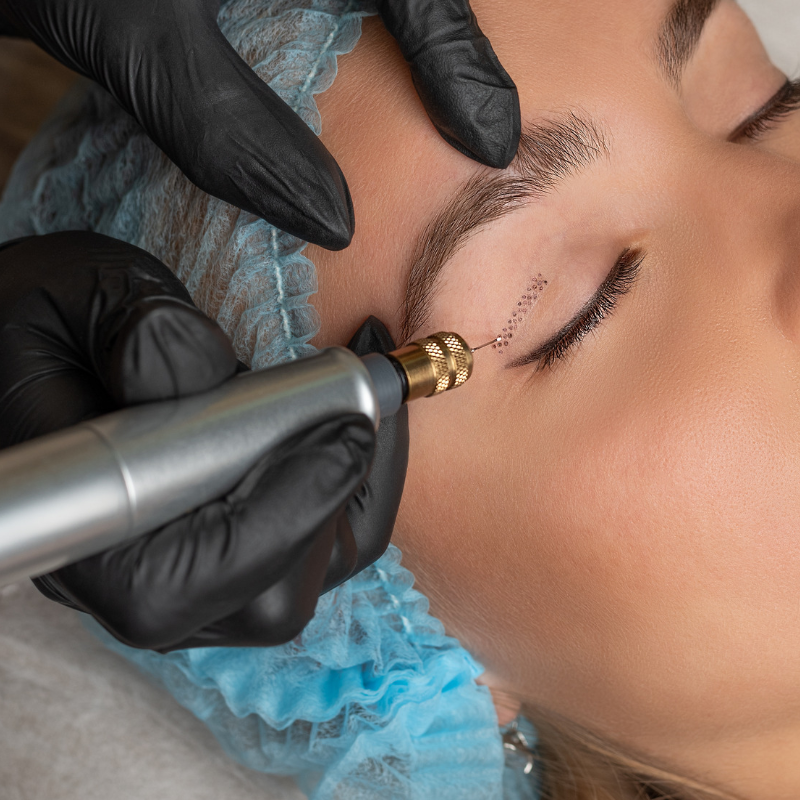
Plasma Fibroblast Skin Tightening
What:
A precision plasma treatment designed to improve the appearance of fine lines, wrinkles and mild skin laxity by encouraging skin contraction and collagen remodelling.
Treatment Time:
Approximately 30–90 minutes, depending on the size and location of the treatment area.
Immediately After:
Redness, warmth, swelling and small, visible crusts or microdots are expected. Swelling can be particularly noticeable around the eyes.
Recovery:
Allow approximately 7–10 days for initial healing. Small crusts generally shed naturally during this period, although redness or pinkness may persist for several weeks.
Recommended Course:
Approximately 1–3 treatments, depending on the area and degree of skin laxity. Additional sessions are generally spaced around 8–12 weeks apart, allowing time to assess healing and results.
Cost:
Eyelid tightening from £250 and other skin tightening treatments from £300, depending on the area treated.
Preparation:
A consultation is required to assess suitability. Avoid tanning and follow personalised skincare and sun protection advice before treatment.
Location:
Oasis Wellbeing Clinic, Poulton-le-Fylde, Lancashire.
What Can Plasma Fibroblast Help With?
Plasma Fibroblast can be used to target selected areas of skin laxity, fine lines and uneven skin texture, encouraging gradual improvement as the skin heals and remodels.
Treatment suitability depends on the area, skin condition and degree of laxity, with every approach tailored to your individual needs.
Upper Eyelid Laxity
Help improve the appearance of mildly loose or crepey upper eyelid skin through carefully targeted, non-surgical skin tightening.
Fine Lines & Crow's Feet
Soften the appearance of fine lines and wrinkles around the eyes and other suitable facial areas.
Crepey Under-Eye Skin
Improve the appearance of fine lines, delicate skin texture and mild laxity beneath the eyes, where treatment is suitable.
Facial & Neck Laxity
Target selected areas of mild skin looseness on the face and neck to encourage a firmer, smoother appearance.
Crepey Skin & Texture
Improve the appearance of crepey, uneven skin texture and selected areas showing visible changes in skin quality.
Selected Scars & Stretch Marks
Plasma treatment may help improve the appearance of certain scars and stretch marks by encouraging skin renewal and remodelling.
Your Plasma Fibroblast Treatment Journey
From your initial skin consultation to the gradual development of results, every stage of your Plasma Fibroblast treatment is carefully planned around your individual needs.
Here’s what to expect during your treatment journey at Oasis Wellbeing Clinic.
01
Consultation & Skin Assessment
We’ll discuss your concerns, assess your skin and medical history, and determine whether Plasma Fibroblast is suitable for your treatment goals.
We’ll also explain the expected results, possible risks, healing process and any alternative treatments worth considering.
02
Preparing Your Skin
Before treatment, we’ll provide personalised skincare and preparation advice to help ensure your skin is in the best possible condition.
At your appointment, the treatment area will be carefully cleansed and prepared, with appropriate comfort measures used where suitable.
03
Your Plasma Treatment
Using our Cosmo Plasma Pro device, controlled plasma energy is delivered to carefully selected points on the skin’s surface.
This creates small, superficial treatment dots and a localised thermal response, encouraging skin contraction and gradual remodelling as the area heals.
04
Recovery & Results
Small crusts form over the treated points and gradually shed as the skin heals. Redness and swelling are expected, particularly around the eyes.
Improvements develop over the following weeks as healing and remodelling progress. We’ll provide detailed aftercare instructions and assess whether further treatment may be beneficial.
Understanding Plasma Fibroblast
Plasma Fibroblast uses carefully controlled thermal energy to encourage skin tightening and renewal. Understanding the treatment process, suitability, recovery and expected results can help you decide whether this approach is right for you.
How Does Plasma Fibroblast Work?
Plasma Fibroblast uses an electrical discharge to generate a small plasma arc close to the skin’s surface.
The targeted energy creates controlled superficial micro-injuries and a localised tightening response, encouraging the skin’s natural healing processes.
Over the following weeks, collagen remodelling may help improve the appearance of fine lines, wrinkles and mild skin laxity.
Who Is Plasma Fibroblast Suitable For?
Plasma Fibroblast may be suitable for clients concerned about mild skin laxity, fine lines, crepey skin and selected areas of uneven texture.
However, suitability depends on several factors, including skin tone, pigmentation history, medical conditions and the area being treated.
A consultation is essential to assess your skin and establish whether Plasma Fibroblast or an alternative treatment is the most appropriate option.
What Results Can I Expect?
Some skin contraction may be visible following treatment, although swelling and the healing process can temporarily affect the appearance of the area.
Improvements generally become easier to assess over the following 6–12 weeks as the skin heals and remodels.
Depending on your concerns, approximately 1–3 sessions may be recommended, usually spaced around 8–12 weeks apart.
Results vary, and natural ageing will continue over time.
How Should I Prepare?
Good skin preparation is important for treatment suitability and recovery.
Avoid tanning and excessive sun exposure before your appointment, and follow any recommended skincare preparation programme.
Certain active ingredients or recent aesthetic treatments may need to be temporarily avoided.
We’ll review your medical history, medications, skin condition and previous treatments before providing personalised preparation instructions.
What Happens After Treatment?
Redness, swelling, warmth and small, visible crusts are expected following Plasma Fibroblast.
The crusts generally shed naturally within approximately 7–10 days. They must not be picked or removed prematurely, as this can increase the risk of complications.
Temporary pinkness may remain after the surface has healed.
Careful aftercare, avoiding unnecessary irritation and protecting the treated area from UV exposure are particularly important throughout recovery.
Are There Any Risks?
Plasma Fibroblast creates controlled thermal injury to the skin and therefore carries risks that must be considered before treatment.
Redness, swelling, discomfort and crusting are expected reactions.
Less commonly, delayed healing, infection, burns, pigmentation changes or scarring may occur. The delicate eye area requires particular care.
A thorough consultation, appropriate treatment selection and careful aftercare help minimise these risks, although they cannot eliminate them entirely.
Plasma Fibroblast FAQs
Does Plasma Fibroblast hurt?
Plasma Fibroblast can cause some discomfort, often described as a warm, stinging or prickling sensation.
Sensitivity varies depending on the treatment area, individual pain tolerance and intensity of treatment.
Appropriate comfort measures may be used where suitable, and we’ll explain what to expect before your appointment.
Some warmth, tenderness or sensitivity may continue temporarily following treatment.
Can Plasma Fibroblast replace eyelid surgery?
Plasma Fibroblast may help improve the appearance of mild upper eyelid skin laxity and fine lines without surgical incisions.
However, it is not a direct replacement for surgical blepharoplasty and cannot address every cause of hooded or drooping eyelids.
Significant excess skin, eyelid ptosis or other structural concerns may require assessment by an appropriately qualified medical professional.
We’ll discuss your concerns and explain whether plasma treatment is likely to provide a worthwhile improvement.
Will my eyes swell after treatment?
Swelling is a common and expected reaction following Plasma Fibroblast treatment around the eyes.
Because the skin in this area is particularly delicate, swelling may be more noticeable than in other treatment areas and can temporarily affect the appearance of the eyelids.
Redness, tenderness and small crusts are also expected during healing.
We recommend allowing adequate recovery time and avoiding important social events immediately after treatment.
You’ll receive detailed aftercare guidance and advice about any reactions that require further attention.
When can I wear makeup after Plasma Fibroblast?
Makeup should not be applied over the treated area while the skin is healing or while crusts remain.
The small treatment dots generally shed naturally within approximately 7–10 days, although healing times vary.
Once the skin has fully healed and your practitioner confirms it is appropriate, you can gradually resume your usual makeup and skincare routine.
Avoid picking, exfoliating or applying potentially irritating products to the area during recovery.
Is Plasma Fibroblast suitable for all skin tones?
Plasma Fibroblast is not suitable for every skin type or pigmentation history.
Because treatment creates controlled thermal injury, there is a risk of post-inflammatory hyperpigmentation or hypopigmentation, particularly in skin that is more prone to pigmentation changes.
Your skin tone, previous healing responses, medical history and individual risk factors will be carefully considered during consultation.
Where Plasma Fibroblast is unsuitable, we’ll discuss alternative skin rejuvenation treatments that may be more appropriate.
Are Plasma Fibroblast results permanent?
Plasma Fibroblast can produce lasting improvements in the appearance of selected areas of skin laxity and fine lines.
However, results vary and the natural ageing process continues after treatment.
Factors such as skin quality, sun exposure, lifestyle and individual healing responses can influence how long improvements remain visible.
Additional treatment or occasional maintenance may be recommended depending on your skin and long-term goals.
How is Plasma Fibroblast different from CO₂ Fractional Laser?
Both Plasma Fibroblast and CO₂ Fractional Laser use controlled energy to encourage skin renewal and collagen remodelling, but they work in different ways.
Plasma Fibroblast creates targeted thermal micro-injuries using a plasma arc and is commonly used for selected areas of mild skin laxity and fine lines.
CO₂ Fractional Laser uses laser energy to create controlled treatment zones within the skin and may be more suitable for broader resurfacing concerns, including certain scars, wrinkles and uneven texture.
The most appropriate option depends on your skin condition, treatment goals, recovery preferences and individual suitability.
Can Plasma Fibroblast treat scars and stretch marks?
Plasma Fibroblast may help improve the appearance of certain scars and stretch marks by encouraging skin remodelling.
However, results depend on the type, depth, age and extent of the affected area.
Some concerns may respond better to alternative treatments, such as microneedling or CO₂ Fractional Laser resurfacing.
We’ll assess your skin and recommend the most suitable treatment approach, including combination or staged treatment plans where appropriate.
Can Plasma Pro also remove skin tags and other blemishes?
Yes. Plasma technology may also be used for the cosmetic treatment of selected benign skin lesions, including skin tags and seborrhoeic keratoses.
However, skin lesion removal is a separate service from Plasma Fibroblast Skin Tightening.
At Oasis Wellbeing Clinic, we offer Advanced Electrolysis & Blemish Removal, with different treatment methods selected according to the type and location of the lesion.
Some lesions require appropriate medical assessment or confirmation before cosmetic removal can be considered.
We’ll explain the available options and any assessment requirements during your consultation.
Ready to Explore Plasma Fibroblast Skin Tightening?
Discover a personalised approach to improving fine lines, mild skin laxity and visible signs of ageing at Oasis Wellbeing Clinic.
Whether you’re concerned about crepey skin around the eyes, facial wrinkles or changes in skin firmness, we’ll help you understand the available treatment options.
During your consultation, we’ll assess your skin, discuss your goals and explain whether Plasma Fibroblast is a suitable approach for your individual needs.
Take the first step towards refreshed, smoother-looking skin.
Love the skin you’re in.
Our Commitment to
Respect
At Oasis Wellbeing Clinic, every client is treated with dignity, respect and complete privacy. We are committed to providing a welcoming, inclusive environment where you can feel comfortable discussing your skin concerns and treatment goals.
We understand that changes in skin firmness, texture and appearance are a natural part of life, and that everyone experiences these changes differently.
Our approach is always individual, taking into account your skin characteristics, medical history, personal preferences and expectations. We recognise that different skin tones and sensitivities require careful consideration when planning advanced skin treatments.
Our priority is to provide honest advice, realistic treatment expectations and a supportive environment where you can make informed decisions about your skin without judgement or pressure.