Scar & Stretch Mark Reduction with Fractional CO₂ Laser
Scar & Stretch Mark Reduction
Improve Skin Texture & the Appearance of Scarring
Scars and stretch marks are a natural part of life, but their appearance can sometimes leave the skin feeling uneven or different in texture.
Whether your concerns relate to acne scarring, surgery, an injury or stretch marks following pregnancy, growth or changes in weight, professional skin resurfacing may help improve their appearance.
At Oasis Wellbeing Clinic in Poulton-le-Fylde, we offer advanced fractional CO₂ laser treatments designed to encourage collagen remodelling, soften the appearance of scarring and improve overall skin texture.
Every scar is different. Your treatment will be tailored to the type, age, depth and location of your scarring, alongside your skin type and individual goals.
Our focus is on achieving realistic, natural-looking improvements rather than promising complete scar removal.
Quick Questions
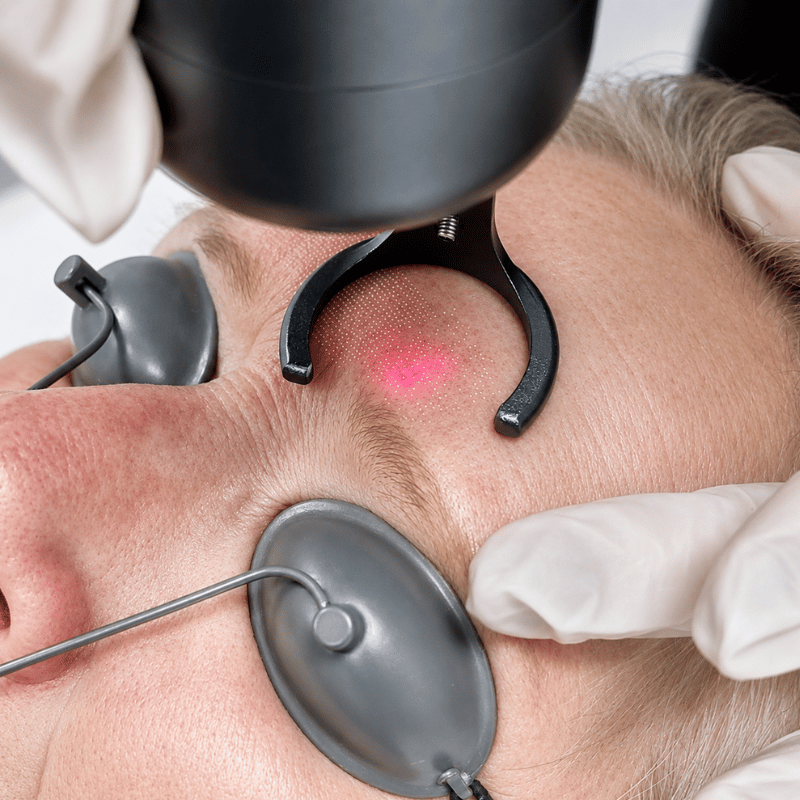
Fractional CO₂ Laser for Stretch Marks and Scars
What:
An advanced skin resurfacing treatment that creates controlled microscopic treatment zones within the skin, encouraging natural repair and collagen remodelling to improve the appearance of scars and stretch marks.
Treatment Time:
Approximately 30–90 minutes, depending on the size and location of the treatment area.
Immediately After:
Redness, swelling, warmth and sensitivity are expected. The treated skin may develop tiny crusts or areas of flaking as it heals.
Recovery:
Allow approximately 5–10 days for initial recovery, depending on treatment intensity and the area treated. Redness or sensitivity may last longer.
Recommended Course:
A series of treatments may be recommended for more established scars or stretch marks. The number of sessions and treatment intervals will depend on your skin’s response and the type of scarring.
Location:
Oasis Wellbeing Clinic, Poulton-le-Fylde, Lancashire.
Fractional CO₂ Laser Treatment Before & After
Explore real client results from Fractional CO₂ Scar or Stretchmark Laser Treatments.
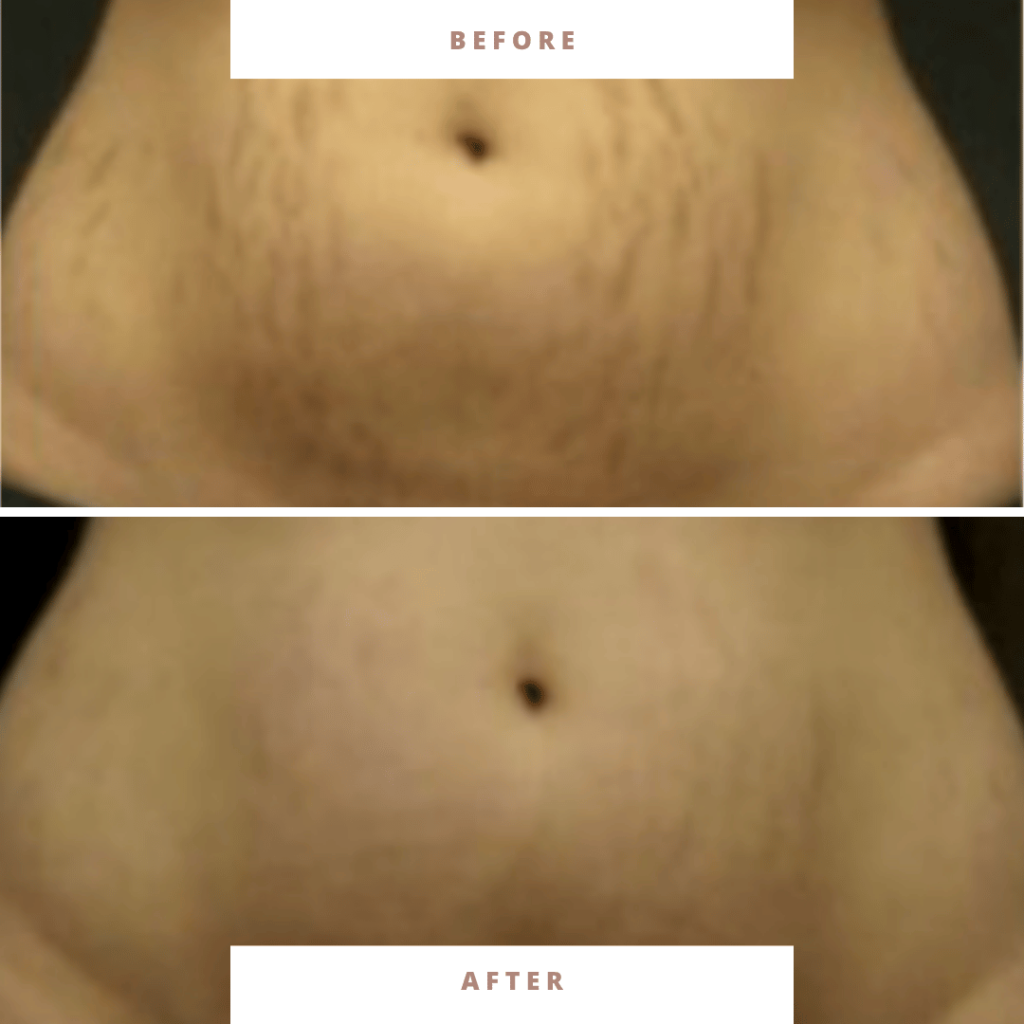
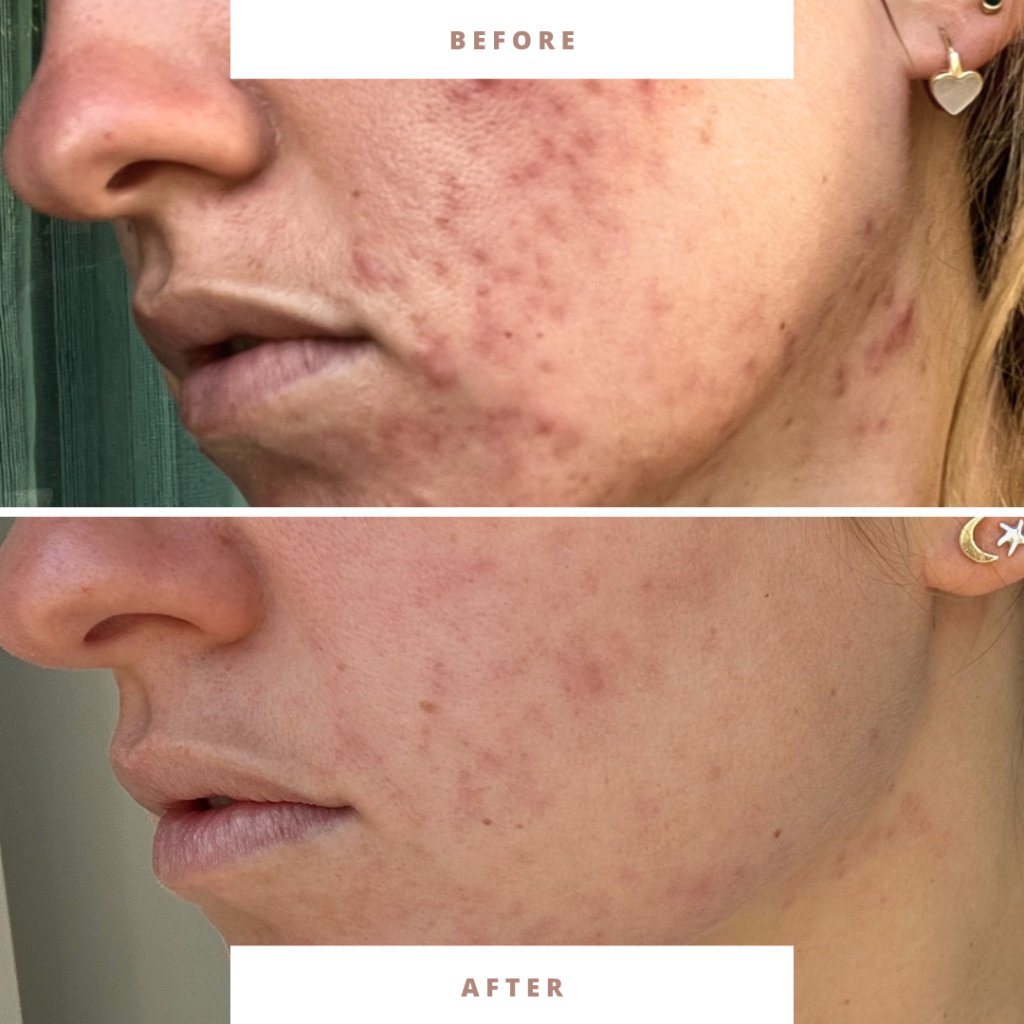
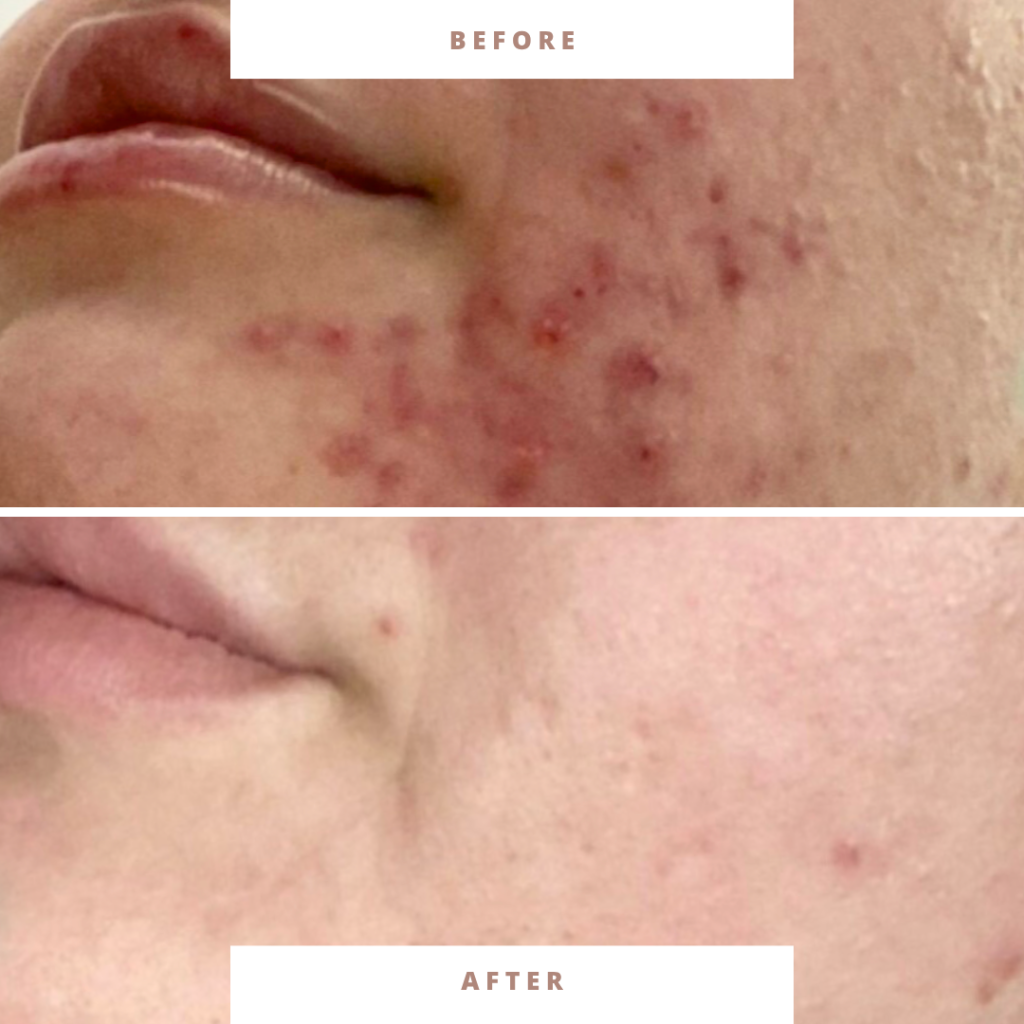
Results vary depending on individual factors and the treatment course.
Fractional CO₂ Laser Treatments FAQ
How Does Fractional CO₂ Laser Treatment Work?
Fractional CO₂ laser creates thousands of tiny, controlled treatment zones within the skin while leaving surrounding tissue intact.
This encourages the skin’s natural repair response and stimulates collagen remodelling, gradually improving the texture and appearance of certain scars and stretch marks.
Over time, the treated skin may become smoother and more even in appearance. Results develop progressively as the skin heals and new collagen forms.
What Types of Scars and Stretch Marks Can Be Treated?
Fractional CO₂ laser may help improve the appearance of several types of scarring, including:
- Depressed acne scars
- Certain surgical scars
- Scars following injuries
- Stretch marks associated with pregnancy, growth or weight changes
- Uneven skin texture caused by scarring
Not every type of scar responds in the same way. Raised scars, keloids and more complex scarring may require a different treatment approach or specialist medical assessment.
Your skin will be assessed before treatment to determine whether fractional CO₂ laser is appropriate.
Can Scars and Stretch Marks Be Completely Removed?
No. Scars and stretch marks are permanent changes within the skin, and no treatment can guarantee their complete removal.
Fractional CO₂ laser aims to improve their appearance by encouraging collagen remodelling and helping to soften uneven texture.
Some scars respond more noticeably than others, depending on their type, depth, age and location.
At Oasis Wellbeing Clinic, we focus on achieving realistic, natural-looking improvements rather than promising completely scar-free skin.
Can Older Stretch Marks Be Treated?
Yes. Both newer and older stretch marks may be considered for treatment.
Newer stretch marks are often red or purple, while older stretch marks usually become paler, sometimes appearing white or silvery.
Fractional CO₂ laser primarily targets the texture of stretch marks by encouraging collagen remodelling. However, the degree of improvement varies, and mature stretch marks can be more challenging to treat.
During your consultation, we’ll assess your stretch marks and discuss whether laser resurfacing or another treatment may be more suitable.
Which Areas of the Body Can Be Treated?
Fractional CO₂ laser may be used on suitable scars and stretch marks affecting areas such as:
- Face
- Abdomen
- Hips and thighs
- Arms
- Legs
- Buttocks
- Certain surgical scar areas
Treatment suitability depends on the location, skin thickness, scar characteristics and how well the area is expected to heal.
Some body areas require a more cautious approach, and not every scar or stretch mark will be suitable for laser treatment.
How Many Treatments Will I Need, and How Often?
The number of treatments depends on the type, depth and age of your scars or stretch marks, along with your skin’s response to treatment.
Most established concerns require a course of treatments rather than a single session.
Fractional CO₂ treatments are commonly spaced approximately six to eight weeks apart, although longer intervals may be recommended depending on treatment intensity, the area treated and healing progress.
During your consultation, we’ll discuss a personalised treatment plan and realistic expectations. The exact number of sessions cannot be guaranteed in advance.
When Will I Start to See Results?
Some changes in skin texture may become noticeable after the initial healing period, but improvements generally develop gradually.
Collagen remodelling continues over several weeks and months following treatment.
For deeper scars or established stretch marks, more noticeable improvements may develop progressively throughout a treatment course.
Results vary between individuals and depend on the type of scarring, treatment response and natural healing processes.
Does Fractional CO₂ Laser Treatment Hurt?
Fractional CO₂ laser can cause some discomfort, often described as a warm, prickling or stinging sensation.
The level of discomfort depends on the treatment area, the settings used and your individual sensitivity.
Where appropriate, a topical numbing cream may be used to help make the procedure more comfortable.
Following treatment, the skin may feel warm and sensitive, similar to sunburn. This sensation generally improves as the skin begins to recover.
Is There Any Downtime After Fractional CO₂ Laser?
Yes. Fractional CO₂ laser is an ablative skin resurfacing treatment, so some recovery time is necessary.
Following treatment, the skin will usually appear red and swollen and may feel warm, tight or sensitive. Small crusts or areas of flaking can develop as the skin heals.
Allow approximately 5–10 days for initial recovery, although healing may take longer depending on the treatment area and intensity. Redness or sensitivity can persist beyond this period.
We’ll explain the expected recovery before treatment so you can plan accordingly.
What Are the Risks of Fractional CO₂ Laser Treatment?
As with any skin resurfacing procedure, fractional CO₂ laser carries some risks.
Expected temporary effects include redness, swelling, warmth, sensitivity, crusting and peeling.
Less common complications can include:
- Prolonged redness or irritation
- Changes in pigmentation, including darkening or lightening of the skin
- Infection or delayed healing
- Reactivation of cold sores in susceptible individuals
- Unwanted scarring
Your skin type, medical history and treatment area will be assessed carefully before proceeding.
We provide detailed aftercare guidance to help reduce the risk of complications, although no treatment is entirely risk-free.
Is Fractional CO₂ Laser Suitable for All Skin Types?
Fractional CO₂ laser can be effective for suitable clients, but it is not appropriate for every skin type or condition.
Clients with darker skin tones may have an increased risk of post-inflammatory hyperpigmentation or other changes in skin colour following ablative laser treatment.
A history of pigmentation problems, poor wound healing or abnormal scarring may also influence suitability.
At Oasis Wellbeing Clinic, we assess each client individually and will recommend an alternative treatment where the risks outweigh the potential benefits.
Who May Not Be Suitable for Fractional CO₂ Laser?
Fractional CO₂ laser is not suitable for everyone.
Treatment may need to be postponed or avoided if you have:
- An active skin infection, cold sore or open wound in the treatment area
- Recently tanned skin or significant sun exposure
- A history of keloid scarring or poor wound healing
- Certain medical conditions affecting skin healing
- Particular medications, including current or recent isotretinoin use, requiring individual assessment
- A skin condition that could be aggravated by laser treatment
At Oasis, we do not perform this treatment during pregnancy or breastfeeding.
Your medical history, medications and skin condition will be reviewed during consultation before deciding whether treatment is appropriate.
Do I Need a Consultation or Test Patch Before Treatment?
Yes. A consultation is required before beginning fractional CO₂ laser treatment at Oasis Wellbeing Clinic.
During your appointment, we’ll assess your scars or stretch marks, review your medical history and discuss your treatment goals.
We’ll also explain the expected results, recovery time, potential risks and recommended treatment plan.
A test patch may be required or recommended depending on your skin type, treatment area and individual circumstances.
If your scarring requires specialist medical assessment, we’ll advise you on the appropriate next steps.
How Should I Prepare for Fractional CO₂ Laser Treatment?
Preparing your skin correctly helps reduce the risk of complications and supports recovery.
Before treatment, you should:
- Avoid tanning, sunbeds and fake tan as instructed.
- Protect the treatment area from sun exposure using appropriate clothing and broad-spectrum SPF 50+.
- Avoid retinoids, exfoliating acids and other potentially irritating treatments for the period advised during consultation.
- Inform us about medications, medical conditions or any history of cold sores.
- Attend with clean skin, free from makeup or other products on the treatment area, unless advised otherwise.
You’ll receive specific preparation instructions based on your treatment plan.
What Aftercare Is Needed Following Fractional CO₂ Laser?
Correct aftercare is essential because the skin’s protective barrier is temporarily disrupted following treatment.
You’ll be given personalised instructions, which may include:
- Gently cleansing and caring for the treated area as directed.
- Using recommended soothing or barrier-supporting products.
- Avoiding picking, scratching or removing crusts.
- Avoiding excessive heat, swimming and strenuous exercise during the initial healing period.
- Avoiding active skincare ingredients until your skin has recovered.
- Protecting the treated area from sunlight and using appropriate SPF 50+ once suitable for the healing stage.
Contact the clinic if you have concerns about your recovery. Increasing pain, spreading redness, pus or fever require prompt medical assessment.
How Much Does Scar and Stretch Mark Treatment Cost?
Fractional CO₂ laser treatment for scars and stretch marks starts from £150 at Oasis Wellbeing Clinic.
The final cost depends on the size, location and complexity of the area being treated, along with the treatment approach required.
Larger areas or more extensive scarring may require additional treatment time and multiple sessions.
A personalised quotation and recommended treatment plan will be provided following your consultation.
Is Fractional CO₂ Laser or Microneedling Better for Scars and Stretch Marks?
Both fractional CO₂ laser and microneedling can help improve the appearance of certain scars and stretch marks, but they work differently.
Fractional CO₂ laser provides controlled ablative skin resurfacing and may be appropriate for more established textural concerns where greater resurfacing is needed.
Advanced Microneedling encourages collagen remodelling through controlled microscopic channels, generally with less downtime. It may be more suitable for certain skin types, treatment areas or less intensive rejuvenation goals.
Neither treatment is automatically better for everyone.
At Oasis Wellbeing Clinic, we’ll assess your skin and recommend the approach most appropriate for your scarring, skin type, treatment goals and recovery preferences.
Looking for Scar or Stretch Mark Treatment in Poulton-le-Fylde?
If you’re considering treatment for acne scarring, surgical scars, stretch marks or uneven skin texture, we’re here to help you explore your options.
At Oasis Wellbeing Clinic, we’ll assess your skin and discuss whether fractional CO₂ laser or another treatment approach is most appropriate for your concerns.
Book your Scar & Stretch Mark Consultation today.
Our Commitment to
Respect
At Oasis Wellbeing Clinic, we understand that every scar has its own story. Whether your scarring is associated with surgery, injury, acne, pregnancy or other changes in your skin, your experiences and feelings deserve to be respected.
We welcome clients of all ages, genders, backgrounds and skin types, providing a comfortable, inclusive and discreet environment where you can discuss your concerns without judgement.
Choosing to reduce the appearance of scars or stretch marks is entirely personal. We believe that visible scars are nothing to be ashamed of, and our role is simply to offer honest guidance and realistic treatment options that respect your individuality and goals.
Our aim is to help you feel comfortable and confident in your skin, whatever you decide.