Laser Pigmentation Removal
Advanced Laser & IPL Treatment for Pigmented Lesions
Targeted Treatment for Sunspots, Age Spots & Freckles
Sun exposure and natural changes in the skin can lead to areas of unwanted pigmentation, including sunspots, age spots and freckles. These marks commonly appear on the face, hands and décolletage, sometimes creating an uneven skin tone.
At Oasis Wellbeing Clinic in Poulton-le-Fylde, we offer advanced laser and light-based treatments designed to reduce the appearance of suitable benign pigmentation and promote a clearer, more even-looking complexion.
Using professional laser technology, selected areas of excess pigment can be targeted while treatment settings are tailored to your skin type and individual concerns.
Not all pigmentation is suitable for laser treatment. During your consultation, we’ll assess your skin, discuss your concerns and recommend the most appropriate approach.
Our aim is to achieve visible, natural-looking improvements while prioritising your skin’s safety and long-term health.
Quick Questions
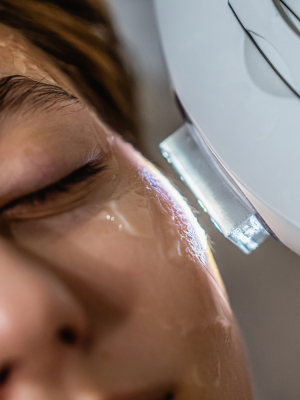
Pigmentation Lesion Removal
What:
A non-surgical laser or IPL treatment designed to target suitable benign pigmented spots, including certain sunspots, age spots and freckles.
Treatment Time:
Approximately 10–30 minutes, depending on the size, location and number of areas being treated.
Immediately After:
Treated pigmentation may temporarily darken. Mild redness, warmth or swelling can occur, and some areas may develop small crusts before gradually flaking away.
Recovery:
Many clients can resume normal daily activities immediately, although treated areas may remain visibly darker or crusted for approximately 1–3 weeks. Recovery varies according to the treatment and individual skin response.
Recommended Course:
Some suitable pigmented spots respond after one treatment, while others may require approximately 2–3 sessions or more. The number of treatments will depend on your pigmentation and response.
Consultation & Patch Test:
A consultation and test patch are required before your first treatment, with sufficient time allowed to assess your skin’s response.
Location:
Oasis Wellbeing Clinic, Poulton-le-Fylde, Lancashire.
What Types of Pigmentation Can Be Treated?
Laser and IPL treatments can be effective for selected benign pigmentation concerns. However, identifying the nature of a pigmented mark is essential before considering treatment.
Sunspots & Age Spots
Also known as solar lentigines or liver spots, these are usually flat, brown patches associated with accumulated sun exposure.
Once confirmed as benign and suitable for treatment, they may respond well to appropriately selected laser or IPL treatment.
Freckles
Freckles are small areas of increased pigmentation that often become more noticeable following sun exposure.
Laser or IPL may help reduce their appearance, although freckles can return or new ones may develop with further sunlight exposure.
Uneven Sun-Related Pigmentation
Some clients develop multiple areas of superficial pigmentation across the face, hands, chest or shoulders.
Depending on the pattern and nature of the pigmentation, IPL or targeted laser treatment may help improve the appearance of uneven skin tone.
Not All Pigmentation Is Suitable for Laser Treatment
Melasma, moles, post-inflammatory pigmentation and other pigmented skin conditions require individual assessment and may need a different approach.
Pigmented lesions that are new, changing, unusual or medically uncertain must not be treated as ordinary cosmetic pigmentation.
At Oasis Wellbeing Clinic, we’ll recommend an alternative treatment or appropriate medical assessment whenever necessary.
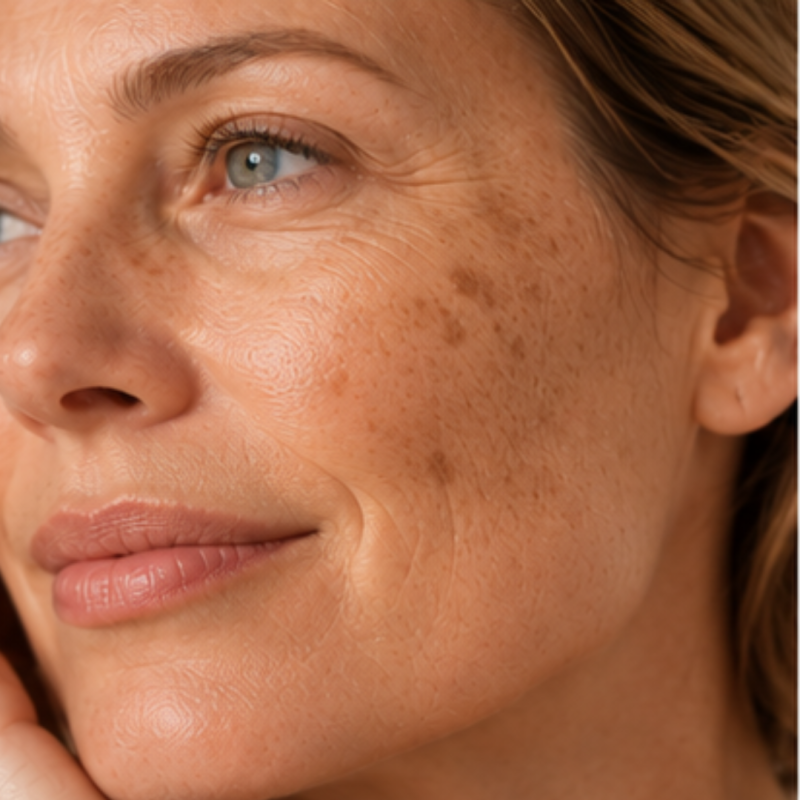
Pigmentation Laser Treatment Before & After
Explore real client before-and-after results following laser pigmentation removal treatments at Oasis Wellbeing Clinic.
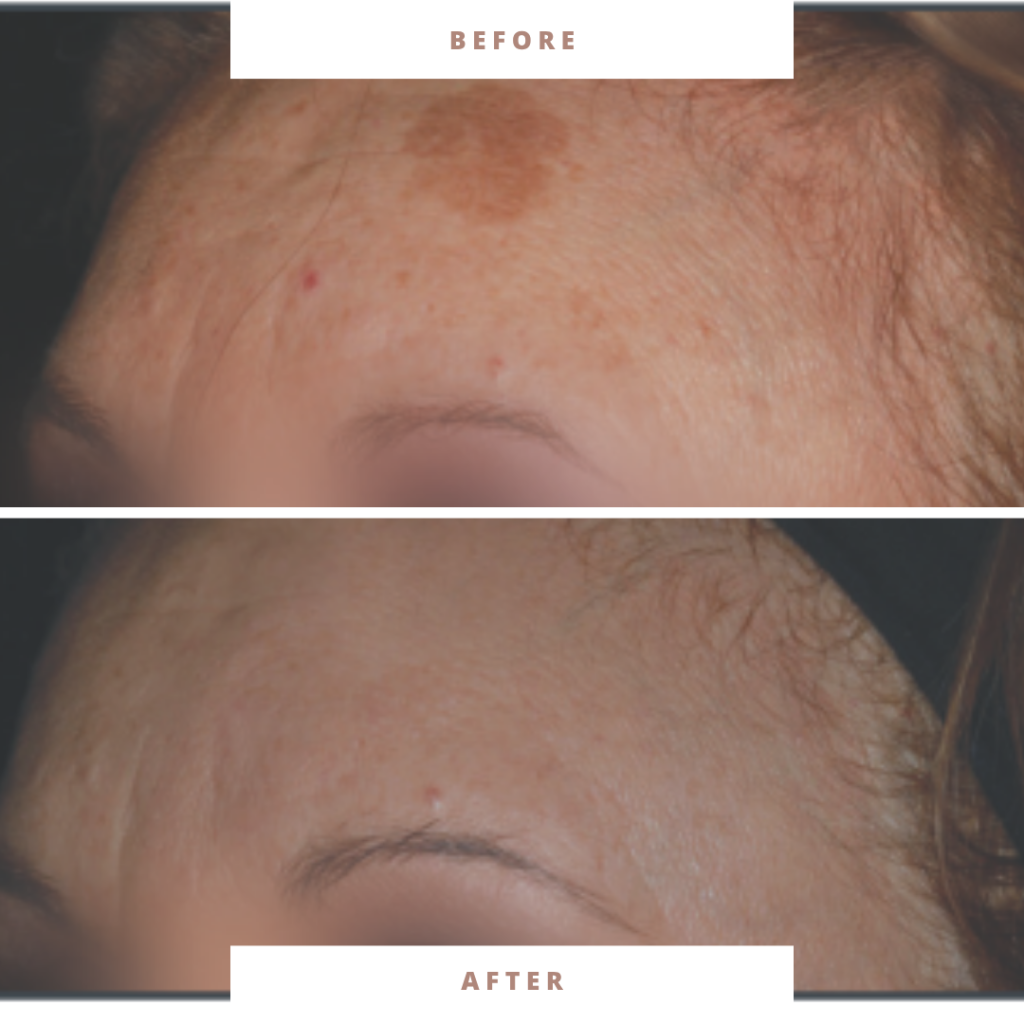
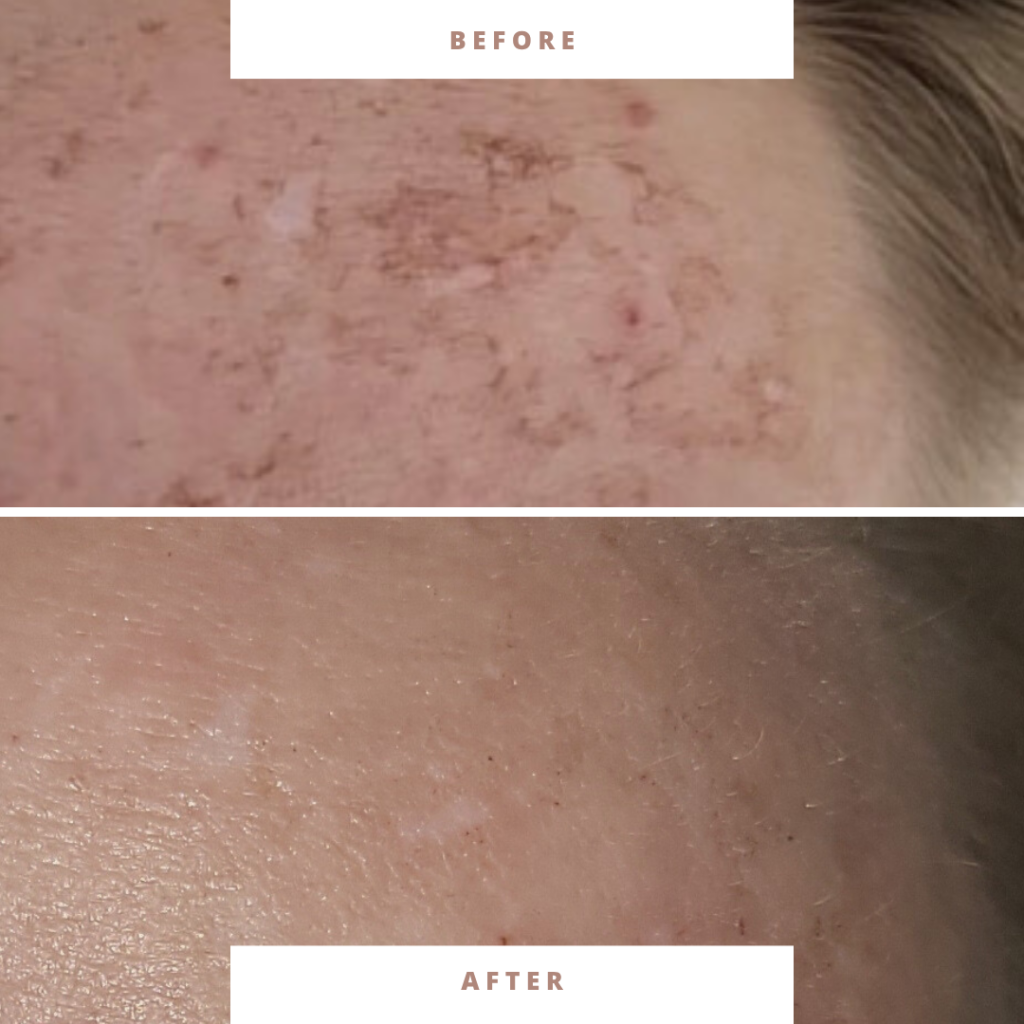
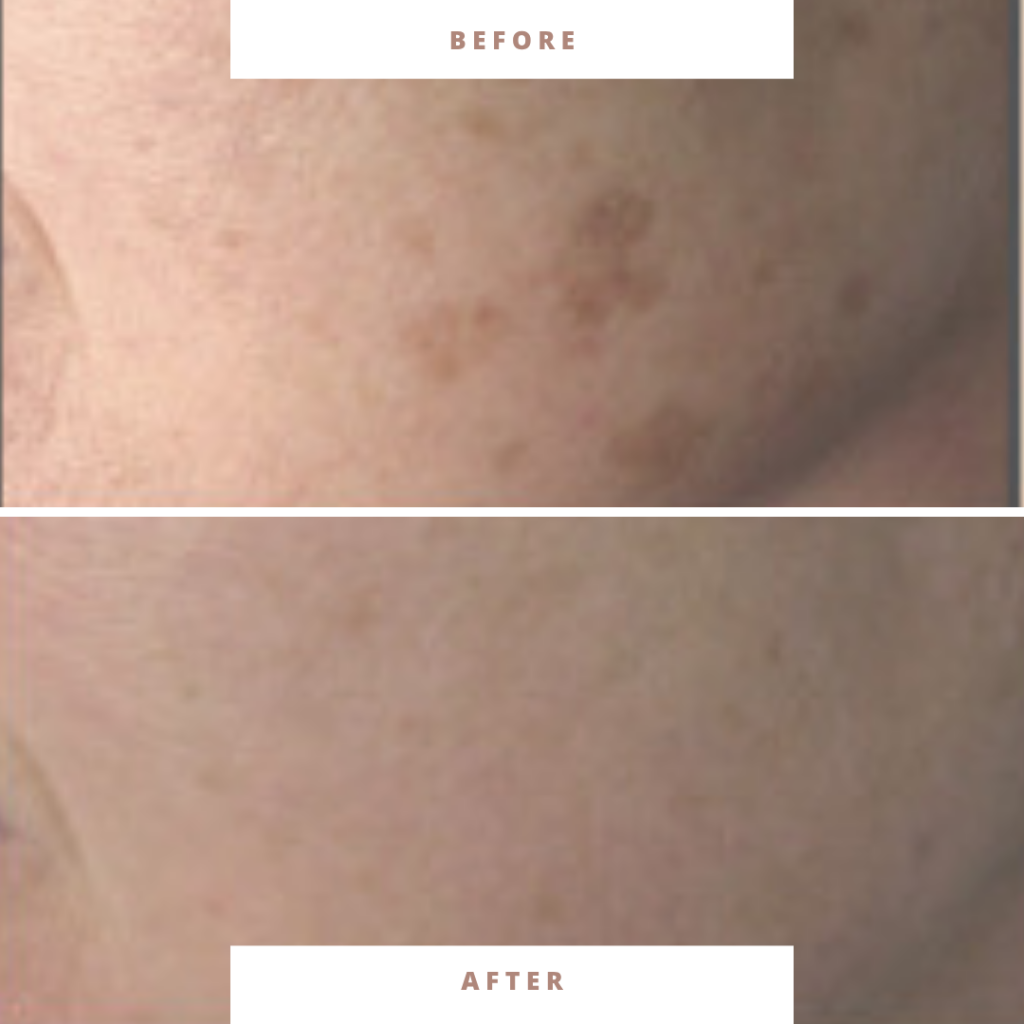
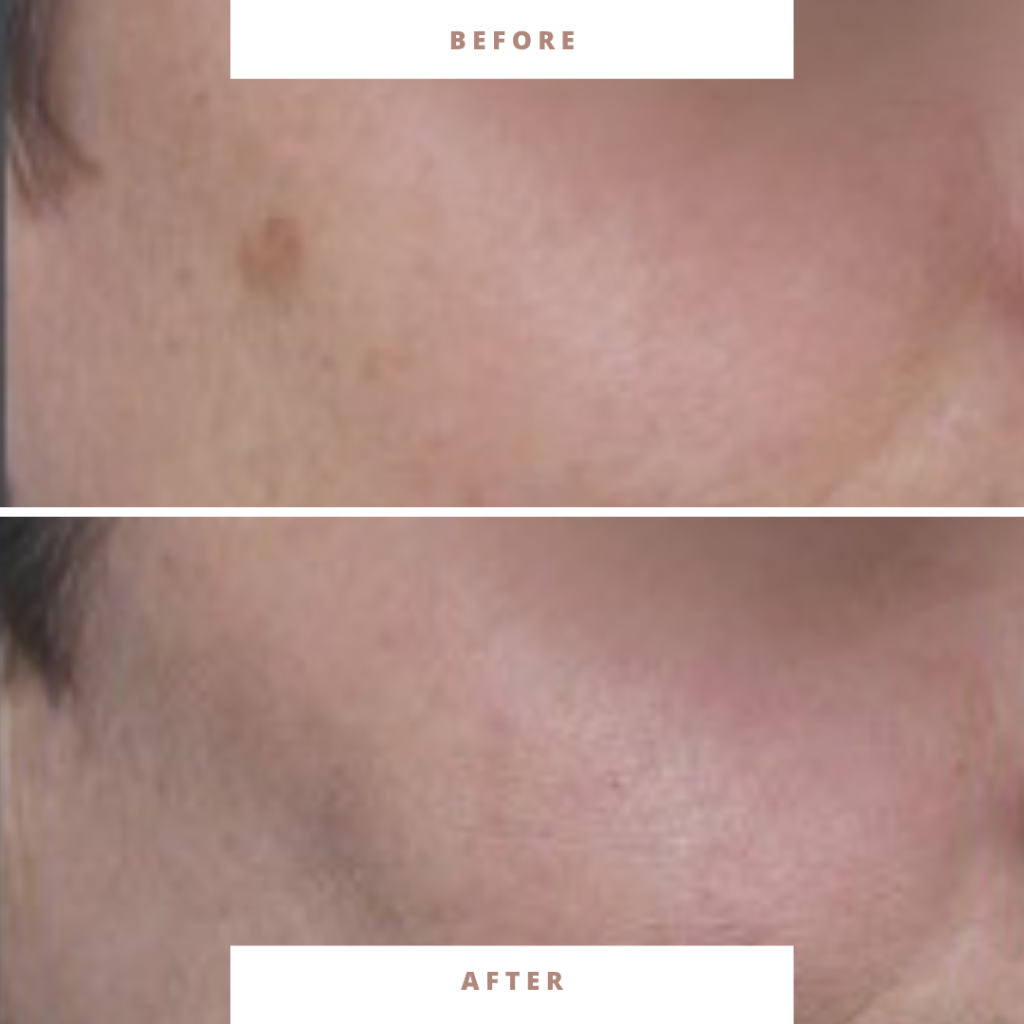
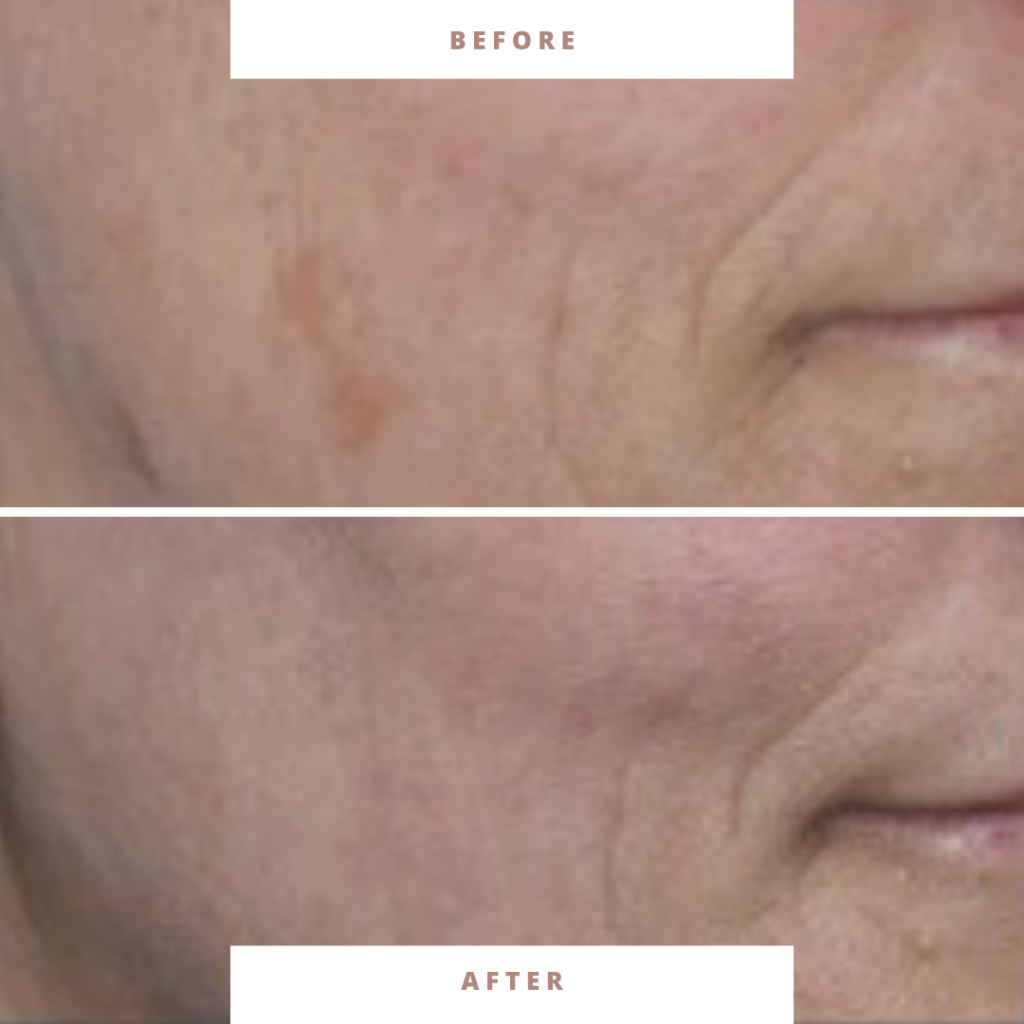
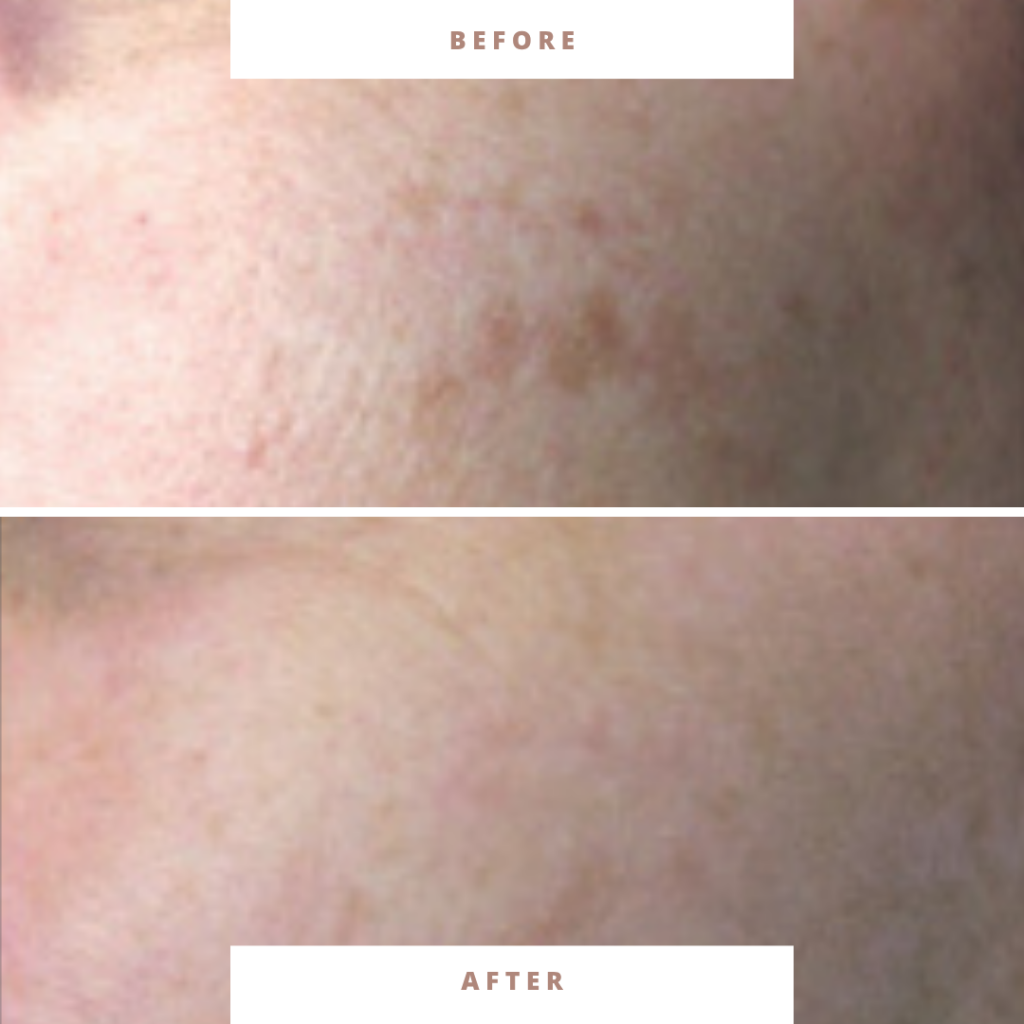
Results vary depending on individual factors and the treatment course.
Pigmented Lesion Removal FAQ
What's the Difference Between Laser and IPL Pigmentation Treatment?
Both laser and Intense Pulsed Light (IPL) use light energy to target suitable pigmentation, but they work differently.
Laser devices produce specific wavelengths of light, allowing targeted treatment of individual pigmented areas. IPL uses a broader range of wavelengths and may be suitable for treating multiple areas of superficial sun-related pigmentation.
At Oasis Wellbeing Clinic, we’ll select the most appropriate technology according to your pigmentation, skin type and treatment goals.
How Many Treatments Will I Need?
Some suitable benign pigmented spots respond well after a single treatment, while others require additional sessions.
A course of approximately 1–3 treatments may be sufficient for certain concerns, although this cannot be guaranteed.
Where further treatments are needed, appointments are generally spaced several weeks apart to allow the skin to heal and the pigmentation to respond.
Your individual treatment plan will be discussed during consultation.
When Will I See Results?
Treated pigmentation often becomes darker immediately after laser or IPL treatment.
Over the following days, superficial pigmentation may form a fine crust, flake away or gradually fade as the skin heals.
Visible improvement can develop over approximately 1–3 weeks, although some areas may take longer.
Results depend on the type, depth and extent of pigmentation, as well as your skin’s response to treatment.
Does Laser Pigmentation Removal Hurt?
Most clients describe the sensation as a brief warm or snapping feeling, similar to the flick of a small elastic band against the skin.
Discomfort varies depending on the treatment area, technology used and individual sensitivity.
Treatments are generally relatively quick, and we’ll explain what to expect before your appointment.
Does the treatment hurt?
Most clients describe the sensation as a brief warm snapping feeling, similar to the flick of a small elastic band. Treatment is generally very well tolerated and only takes a few minutes.
Is There Any Downtime After Treatment?
Laser and IPL pigmentation treatments often involve relatively little interruption to everyday activities.
However, temporary redness, warmth, sensitivity or mild swelling can occur.
Treated pigmented spots may darken and develop small crusts before gradually flaking away. These visible changes can last several days or longer, sometimes approximately 1–3 weeks.
It’s important to allow the skin to heal naturally and follow your personalised aftercare instructions.
Which Areas of the Body Can Be Treated?
Suitable benign pigmentation may be treated on areas including:
- Face
- Neck
- Décolletage and chest
- Hands
- Arms
- Shoulders
- Back
Treatment suitability depends on the type of pigmentation, skin characteristics and location.
Some areas require greater caution, and not every pigmented lesion will be suitable for laser or IPL treatment.
Is Laser Pigmentation Removal Suitable for All Skin Types?
Laser and IPL pigmentation treatments can be suitable for a range of skin types, but not every technology or treatment setting is appropriate for everyone.
Darker skin tones contain more natural melanin, which can increase the risk of unwanted pigmentation changes or burns with certain light-based treatments.
Your skin type, recent sun exposure, pigmentation and medical history will be assessed carefully.
Where laser or IPL presents an increased risk, we may recommend an alternative approach.
Can Laser or IPL Be Used to Treat Melasma?
Melasma requires a different approach from ordinary sunspots or age spots.
Although certain laser and light-based treatments may sometimes be used by specialist medical practitioners, they can also aggravate melasma or cause further pigmentation changes.
For this reason, routine laser pigment removal is not our preferred first-line approach for melasma at Oasis.
We offer a separate Melasma Treatment service focusing on personalised pigment management, professional skincare and treatments such as Cosmelan where appropriate.
Can Laser Pigmentation Removal Be Used on Moles?
No. We do not treat moles as ordinary cosmetic pigmentation using our laser pigmentation removal protocol.
Although some moles are harmless, pigmented lesions must be properly assessed before any cosmetic treatment is considered.
If a mark is new, changing in size, shape or colour, bleeding, crusting, painful or otherwise unusual, you should arrange an assessment with your GP before considering cosmetic treatment.
At Oasis, we also offer a Skin Lesion Assessment service, with access to dermatologist review where appropriate. This does not replace prompt GP assessment of a suspicious lesion.
Do I Need a Consultation and Patch Test?
Yes. A consultation and patch test are required before your first laser or IPL pigmentation treatment.
During your consultation, we’ll assess your skin, review your medical history and discuss the nature of your pigmentation.
We’ll explain the expected results, possible side effects and whether laser or IPL is appropriate.
Where pigmentation is medically uncertain, we will recommend suitable medical assessment before considering cosmetic treatment.
Your patch test also allows us to evaluate your skin’s response before proceeding with a larger treatment area.
How Should I Prepare for Laser Pigmentation Removal?
Correct preparation helps reduce the risk of complications.
Before treatment, you should:
- Avoid sunbathing, sunbeds and tanning for the period advised before your appointment.
- Avoid fake tan on the treatment area.
- Inform us about any medications, medical conditions or changes in your skin.
- Avoid retinoids, exfoliating acids and other potentially irritating skincare products as instructed.
- Arrive with clean skin, free from makeup or skincare products on the treatment area.
We’ll provide personalised preparation instructions during your consultation.
What Aftercare Is Needed Following Treatment?
Following laser or IPL pigmentation removal, your skin needs time to recover.
Your aftercare instructions may include:
- Avoiding picking, rubbing or scratching treated pigmentation.
- Allowing any crusts or flaking skin to shed naturally.
- Avoiding excessive heat, hot baths, saunas and strenuous exercise for the period advised.
- Using gentle skincare and avoiding irritating products until your skin has recovered.
- Protecting the treated area from sunlight and using broad-spectrum SPF 50+ when appropriate for the stage of healing.
Correct aftercare is essential for reducing the risk of irritation, pigmentation changes and delayed healing.
We’ll explain your individual aftercare requirements before treatment.
What Are the Risks of Laser Pigmentation Removal?
Laser and IPL pigmentation treatments are generally well tolerated when appropriately selected and performed, but they are not without risk.
Expected temporary effects may include redness, swelling, warmth, darkening of pigmentation and crusting.
Less common complications can include:
- Blistering or burns
- Prolonged redness or irritation
- Darkening of the skin (hyperpigmentation)
- Lightening of the skin (hypopigmentation)
- Infection, delayed healing or scarring
Some pigmentation changes may be long-lasting or permanent.
We’ll explain the relevant risks during your consultation and recommend treatment only where the expected benefits are appropriate for your skin.
Who May Not Be Suitable for Laser Pigmentation Removal?
Treatment may need to be postponed or avoided if you have:
- Recently tanned skin or fake tan on the treatment area
- An active infection, cold sore, open wound or significant irritation
- Certain photosensitising medications or medical conditions
- A history of poor wound healing or abnormal scarring
- Pigmentation that is unsuitable or has not been adequately assessed
At Oasis, laser and IPL pigmentation treatments are not performed during pregnancy or breastfeeding.
Certain medical conditions, medications, tattoos or permanent makeup within the treatment area may also affect suitability.
Every client is assessed individually, and an alternative treatment may be recommended where appropriate.
Will My Pigmentation Come Back After Treatment?
Successfully treated pigmented spots may remain significantly reduced, but results cannot be guaranteed to be permanent.
Further sun exposure, natural skin changes and individual factors can contribute to the development of new pigmentation over time.
Freckles may also become more noticeable again following sunlight exposure.
Daily broad-spectrum SPF 50+, suitable skincare and avoiding excessive sun exposure can help protect your results and reduce the development of further sun-related pigmentation.
How Much Does Laser Pigmentation Removal Cost?
Treatment prices depend on the size, number and location of the pigmented areas being treated.
Current prices include:
- Single pigmented lesion — £40
- Full-face pigmentation treatment — £100
Larger areas or more extensive pigmentation may require a personalised quotation.
During your consultation, we’ll assess your pigmentation, discuss the treatment options and confirm the cost before proceeding.
Looking for Laser Pigmentation Removal in Poulton-le-Fylde?
If you’re concerned about sunspots, age spots, freckles or uneven pigmentation, we’re here to help you explore your treatment options.
At Oasis Wellbeing Clinic, we take a personalised approach to skin rejuvenation, using advanced laser and IPL technology to improve the appearance of suitable benign pigmentation.
During your consultation, we’ll assess your skin, discuss your concerns and recommend the most appropriate treatment for your individual needs.
Book your Pigmentation Consultation today.
Our Commitment to
Respect
Our Commitment to Respect
At Oasis Wellbeing Clinic, we understand that pigmentation concerns affect everyone differently. Some clients wish to reduce visible sun damage or uneven skin tone, while others simply want to understand the changes they’re noticing in their skin.
We welcome clients of all ages, genders, backgrounds and skin tones, providing a comfortable, inclusive and discreet environment where your concerns are listened to without judgement.
We believe that freckles, natural skin variations and signs of ageing are nothing to be ashamed of. Choosing pigmentation treatment is entirely personal, and our role is to provide honest guidance, realistic expectations and treatments appropriate for your individual skin.
Our aim is to help you feel comfortable and confident in your skin, whatever you decide.